Fashion Has Evolved A Lot Since 1915
Fashion isn’t just about clothes; it’s a living map of history. Since 1915, the way we dress has shifted from a tool of social restriction to a radical medium of self-expression. In a little over a century, we have moved from the rigid structure of the Edwardian era to the “anything goes” digital age.
The 1910s – 1920s: Breaking the Mold
In 1915, fashion was still caught in the transition between Victorian modesty and the practical demands of World War I. Women were shedding the extreme “S-bend” corset for higher waistlines and shorter hemlines (meaning just above the ankle) to allow for movement in the workforce.
By the 1920s, the revolution was complete. The “Flapper” look emerged:
The Silhouette: Tubular, drop-waist dresses that hid curves.
The Vibe: Rebellion, jazz, and bobbed hair.

The Shift: For the first time, fashion prioritized youth over maturity.
The 1930s – 1940s: Glamour and Grit
The 1930s brought back a more feminine, bias-cut silhouette, inspired by the silver-screen sirens of Hollywood. However, the 1940s were defined by utility.
Fabric Rationing: Skirts became shorter and narrower due to material shortages during WWII.
The Power Shoulder: Broad, padded shoulders gave women a structured, capable look as they stepped into factories and offices.
The 1950s – 1960s: The Great Boom
Post-war optimism exploded into Dior’s “New Look” in the 1950s, featuring massive skirts and cinched waists—a return to extreme femininity.
Then came the 1960s, perhaps the most disruptive decade in fashion history.
The Miniskirt: Mary Quant’s creation wasn’t just a garment; it was a symbol of the sexual revolution.
Space Age: Designers like Pierre Cardin introduced PVC, metallic fabrics, and geometric shapes.
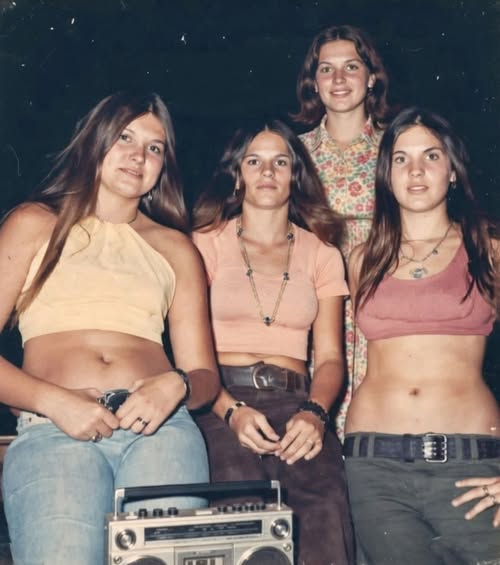
The 1970s – 1990s: Subcultures Take the Lead
As we moved into the latter half of the century, fashion stopped being dictated solely by Parisian houses and started bubbling up from the streets.
The 2000s – Today: The Digital Frontier
The turn of the millennium brought Fast Fashion. Chains like Zara and H&M made “runway looks” accessible to everyone, but at a high environmental cost.
In 2026, the evolution has reached a fascinating crossroads:
Sustainability: We are seeing a massive shift back to “Slow Fashion,” thrifting, and circular economies to combat climate change.
Gender Neutrality: The binary between “men’s” and “women’s” clothing is dissolving, with silhouettes becoming increasingly fluid.
Digital Fashion: We now wear clothes that don’t exist physically, buying skins for avatars or using AR filters for social media posts.
The Verdict
If a person from 1915 were transported to today, they wouldn’t just be shocked by the “lack” of clothing; they’d be stunned by the freedom. We no longer dress to signify our social rank or to fit a moral mold. Today, fashion is a conversation—sometimes loud, sometimes whispered—between who we are and who we want the world to see.