My Parents Abandoned Me in a Church… 20 Years Later, They Showed Up Again—And the Truth Was Worse Than I Imagined
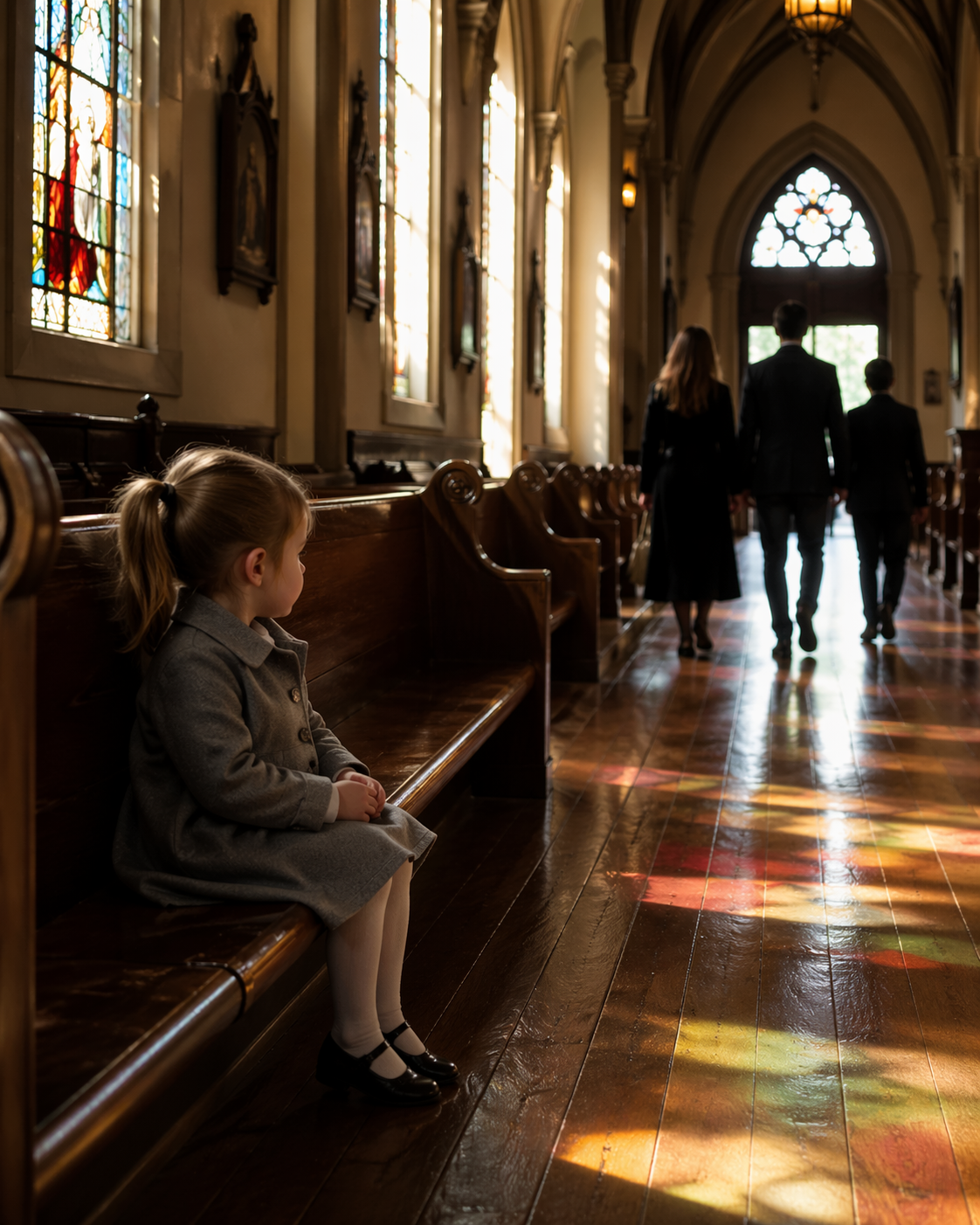
I was four when my mother left me in a church.
I remember the colors first—sunlight pouring through stained-glass windows, splashing the floor in reds and blues and golds. It felt almost magical, like a storybook place where nothing bad could happen.
She sat me down on a polished wooden pew and smoothed the collar of my gray coat, her hands steady, her expression calm.
“Stay right here, sweetheart,” she whispered, brushing my hair behind my ear. “God will take care of you.”
I nodded because she sounded so certain.
Then she stood.
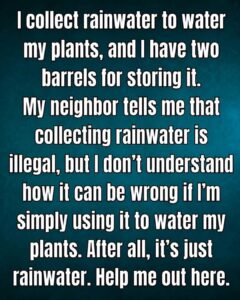
My father took her hand. My older brother followed behind them.
And just like that… they walked away.
No hesitation.
No explanation.
I didn’t cry. I didn’t scream. I didn’t even understand what was happening. My feet dangled above the floor as I waited for them to come back—because of course they would come back.
They always came back.
Except this time, they didn’t.
The doors opened, a cold breeze slipped inside, and they were gone.
A nun found me not long after.
Then a priest.
Then a social worker.
They asked me questions I couldn’t answer. Names I barely knew how to spell. Addresses I couldn’t remember.
There was no note. No explanation.
Just absence.
Over time, fragments surfaced—quiet conversations between adults who thought I wasn’t listening. My parents had disappeared. Vanished without a trace.
Months later, I was placed with Evelyn Harper.
She wasn’t what I imagined a “new mother” would be. She was almost sixty, lived alone, and her house always smelled faintly of lavender and old books. She played piano at the church, though her fingers sometimes trembled with pain.
But Evelyn never tried to replace what I had lost.
She didn’t pretend everything was okay.
She didn’t tell me stories about why my parents had left or promise me they’d return.
Instead, she gave me something far rarer.
Honesty.
“Some people leave because they’re overwhelmed,” she told me once while struggling to braid my hair. “Some leave because they’re unkind. And some leave because they can’t face themselves.”
She paused, gently tying the uneven braid.
“But none of that is ever the child’s fault.”
That was the first time I realized the truth didn’t have to be softened to be kind.
And Evelyn… she stayed.
Through scraped knees and school projects.
Through quiet dinners and long nights.
Through every moment that mattered.
As I grew older, I stopped waiting.
Stopped wondering.
Stopped imagining some dramatic reunion where everything would suddenly make sense.
Evelyn had taught me something far more important:
You don’t find stability.
You build it.
I focused on school. Kept my world small and steady. Eventually, I earned a scholarship to a Catholic college not far from the church where I’d been left.
The first time I walked back into that sanctuary as an adult, I expected it to hurt.
It didn’t.
The colors were still there, dancing across the floor. The pews hadn’t changed. The silence felt familiar—but no longer heavy.
It wasn’t the place that had abandoned me.
People had.
And somehow, that made all the difference.
By twenty-four, I was working there as a parish outreach coordinator—organizing food drives, helping struggling families, running programs for children who reminded me a little too much of myself.
When Evelyn’s hands ached too much to play, I took her place at the piano.
It wasn’t a big life.
It wasn’t glamorous.
But it was mine.
And for the first time, I felt something I hadn’t known as a child:
I belonged.
It was raining the day they came back.
A steady, quiet rain that blurred the world outside the church windows.
I was organizing donation boxes when the doors opened.
Three figures stepped inside.
Older.
Thinner.
Changed.
But unmistakable.
My breath caught in my throat.
My mother.
My father.
My brother.
They walked toward me slowly, as if approaching something fragile. As if time hadn’t passed. As if twenty years hadn’t existed.
My mother’s eyes filled with tears instantly.
Too instantly.
“We’re your family,” she said, her voice trembling. “We’ve come to take you home.”
For a moment, everything inside me collapsed.
I was four again.
Sitting on that bench.
Watching them leave.
But then another voice rose inside me—calm, steady, familiar.
Evelyn.
Not everyone comes back because they love you.
Sometimes… they come back because they need something.
I straightened.
“I already have a home,” I said quietly.
My father stepped forward, his expression tight. “We made mistakes. Terrible ones. But we can fix this now.”
“Fix?” I repeated.
My brother avoided my eyes.
My mother reached for my hand. “Please. Just come with us. We’ll explain everything.”
And maybe it was curiosity.
Maybe it was something deeper—something unresolved.
But I agreed.
They took me to a small, worn-down house on the edge of town.
It wasn’t what I expected.
Not even close.
The place looked temporary. Bare. Like something you stay in when you have nowhere else to go.
We sat around a table that felt too small for the weight of the moment.
“Tell me,” I said.
My mother clasped her hands together. “After we left… things didn’t go the way we thought they would.”
“That’s one way to put it,” my father muttered.
She shot him a look, then turned back to me.
“We were in trouble back then,” she continued. “Financially. Legally. Your father had debts… serious ones.”
My father looked away.
“They were going to take everything,” she said softly. “Including the house. We couldn’t afford to keep all of you.”
The words landed slowly.
Carefully.
Like something fragile that still managed to break.
“So you left me,” I said.
“It wasn’t like that—”
“It was exactly like that.”
Silence filled the room.
My brother finally spoke. “We thought… if we left you somewhere safe… someone would take care of you.”
I let out a small, hollow laugh.
“So you chose a church,” I said. “Because that made it okay?”
No one answered.
And in that silence, I understood something I hadn’t fully grasped before:
They hadn’t been confused.
They hadn’t been lost.
They had made a decision.
A clear one.
And I had been the easiest part of their life to let go.
“Why now?” I asked finally.
That was the question that mattered.
My mother hesitated.
Too long.
My father leaned forward. “We need help.”
There it was.
The truth.
Simple. Sharp. Unavoidable.
“What kind of help?” I asked, though I already knew.
“There’s a situation,” he said carefully. “A legal issue. Your name… it’s still tied to certain records. If you could just sign—”
I stood up so abruptly the chair scraped loudly against the floor.
“No,” I said.
My mother’s eyes filled with tears again. “Please, just listen—”
“No,” I repeated, firmer this time. “You don’t get to disappear for twenty years and come back asking for favors.”
“We’re your parents!” she cried.
The words echoed in the small room.
For a moment, they almost meant something.
Almost.
But then I thought of Evelyn.
Of steady hands and quiet kindness.
Of every moment she chose to stay.
“No,” I said softly. “You were the people who left.”
I walked out into the rain without looking back.
The cold water soaked through my coat, but I barely felt it.
Because for the first time in my life, something inside me had settled.
Not healed.
Not erased.
But understood.
They hadn’t come back for me.
They had come back for what I could give them.
And somehow, that hurt less than I expected.
Because it meant one thing was finally clear:
Their leaving had never been about me.
When I got home, Evelyn was sitting by the window, a book resting in her lap.
She looked up as I entered, her eyes soft but knowing.
“You saw them,” she said.
I nodded.
She didn’t ask questions.
Didn’t push.
She simply patted the seat beside her.
I sat down, leaning into the quiet comfort of her presence.
After a while, I said, “They needed something.”
Evelyn smiled faintly.
“They usually do.”
I let out a small breath, somewhere between a laugh and a sigh.
“I said no.”
She reached over and squeezed my hand gently.
“I’m proud of you,” she said.
And for the first time, those words didn’t feel like something I had to earn.
They felt like something I already deserved.
Sometimes, I still think about that little girl sitting on the church bench, waiting for her parents to come back.
I wish I could sit beside her.
Tell her the truth.
Not the kind that comforts, but the kind that frees.
I’d tell her this:
They will leave.
And it will hurt.
But someone else will stay.
Someone who chooses you—not because they have to, but because they want to.
And one day, you’ll choose yourself too.
And that… will be enough.