The Best Age Gap in a Relationship: Does the “Magic Number” Actually Exist?
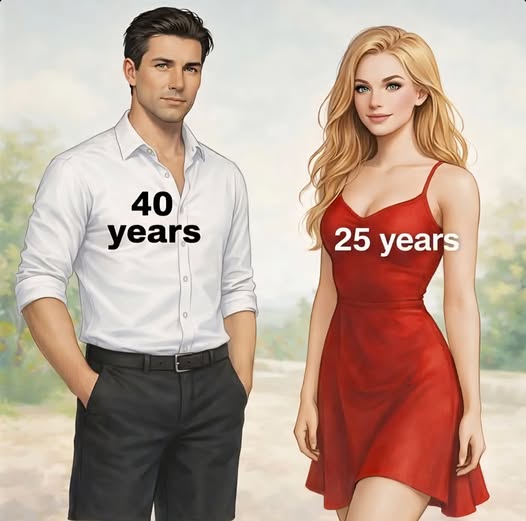
We’ve all seen the headlines about Hollywood’s most dramatic age gaps, and we’ve all heard the “Half Your Age Plus Seven” rule whispered at dinner parties. But when it comes to long-term happiness, is there actually a scientifically “best” age gap, or is it all just a numbers game?
If you’re wondering whether a ten-year jump is a bridge too far or if dating your peer is the only way to go, here is the breakdown of what the research—and reality—actually says.
1. The Scientific “Sweet Spot”
According to a massive study conducted by Emory University, the data suggests that smaller age gaps correlate with lower divorce rates. The statistics are eye-opening:
1-year gap: A mere 3% chance of separation.
5-year gap: An 18% chance of separation.

10-year gap: A 39% chance of separation.
20-year gap: A staggering 95% chance of separation.
The Verdict: From a purely statistical standpoint, the “best” age gap is 0 to 3 years. Being in the same life stage often means shared cultural references, similar energy levels, and aligned financial goals.
2. The Power of “Life Stages”
While the 10-year gap might feel effortless in your 30s and 40s, the friction often appears when life stages begin to diverge.
Consider these common milestones:
Career Building vs. Retirement: One partner might be grinding for a promotion while the other is ready to travel the world on a pension.
Family Planning: Biology doesn’t always wait. Large age gaps can create pressure or mismatched desires regarding having children.
Health and Longevity: Down the road, a significant age difference often leads to one partner becoming a caregiver much earlier than expected.
3. The “Maturity Match” Exception
We’ve all met a 25-year-old with the soul of a philosopher and a 45-year-old who still hasn’t figured out how to do laundry. This is where emotional maturity overrides the calendar.
Sometimes, a larger age gap works because the younger partner is exceptionally grounded, or the older partner has maintained a youthful, adventurous spirit. If your values, communication styles, and long-term visions align perfectly, a 10-year gap can feel like nothing at all.
4. Cultural and Social Pressures
Let’s be real: society can be judgmental. Couples with large age gaps often face “the look” in public or skepticism from family members.
The “best” age gap is often one where both partners feel confident enough in their connection to ignore the outside noise. If you spend your whole relationship defending your partner’s age, it adds a layer of stress that “same-age” couples simply don’t have to navigate.
5. Why “Peer Relationships” Often Win
There is a unique comfort in a relationship where you both remember the same Saturday morning cartoons, lived through the same economic shifts at the same age, and are hitting “milestone birthdays” together.
Peer relationships (gaps of 0–5 years) often benefit from:
Symmetry of Power: There is less likely to be a “teacher-student” or “provider-dependent” dynamic.
Shared Social Circles: Your friends are likely in similar phases of life, making double dates and social outings seamless.
The Final Word
Is there a “best” age gap? Mathematically, yes: stay within 1–3 years. However, humans aren’t math problems. The best age gap for you is the one where you aren’t constantly negotiating your different realities. Whether you’re six months apart or sixteen years apart, the relationship will thrive based on mutual respect, shared values, and timing—not just the year on your birth certificates.