Alert COVID vaccinated may be enf
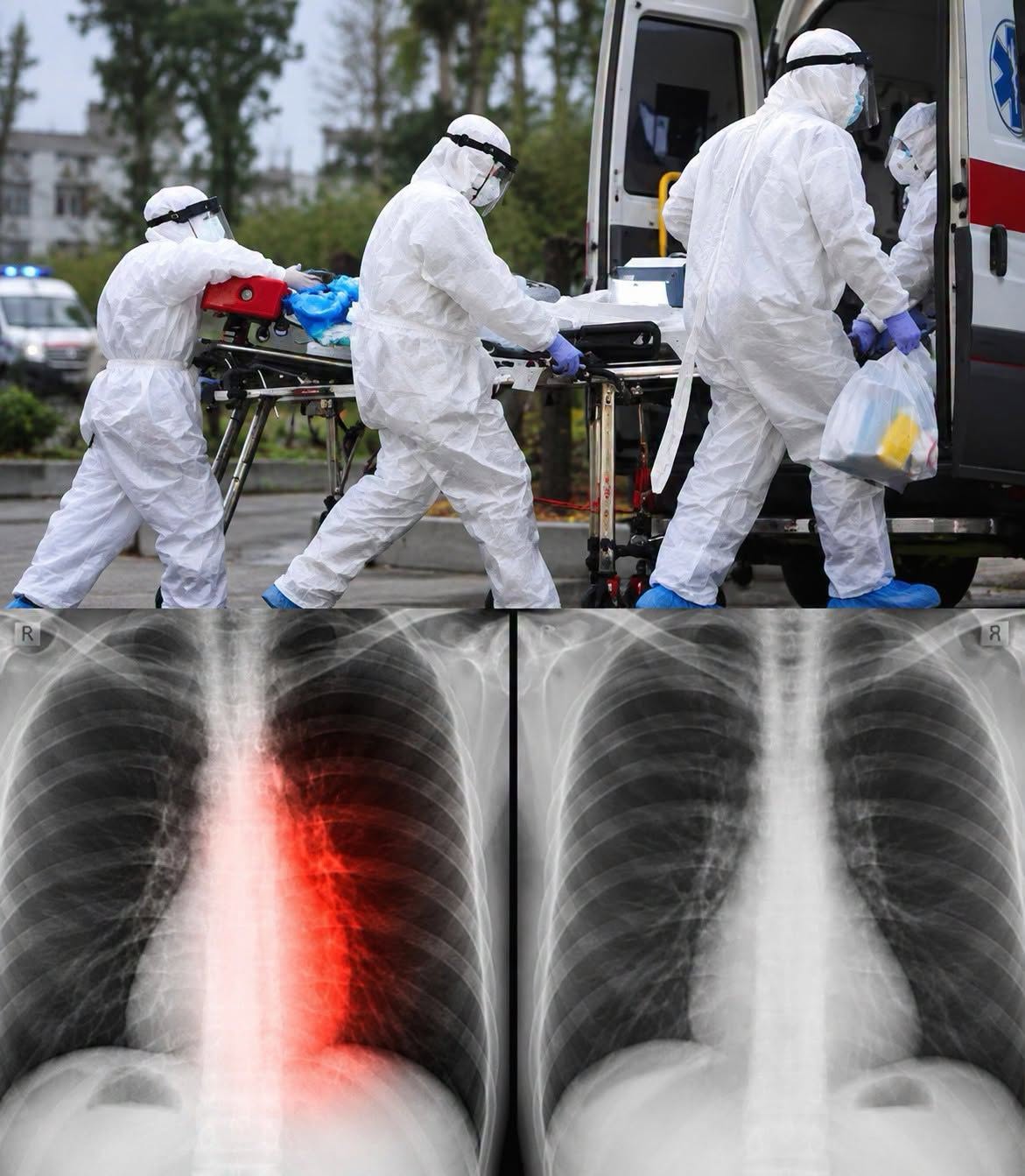
Stanford Medicine researchers identified elevated CXCL10 and interferon-gamma levels in people who developed myocarditis after mRNA COVID-19 vaccination. The findings suggest a possible inflammatory cascade: some immune cells release excess CXCL10, encouraging T cells to increase interferon-gamma activity and potentially inflame heart tissue. Blocking these pathways reduced inflammation in laboratory and animal experiments without compromising the broader immune response studied. That result offers a direction for further investigation, but it does not establish a safe, effective treatment or prevention strategy for patients.
For people confronting this unexpected diagnosis, a clearer biological explanation could matter deeply. Yet the distinction between experimental promise and clinical care remains essential: more research is needed before these findings can guide treatment. Post-vaccination myocarditis remains rare, is generally mild, and most patients recover fully. COVID-19 infection also carries heart-inflammation risks. The goal is to better understand an uncommon complication while preserving vaccination’s established benefits for most people.