Doctors Reveal That Eating Too Much Spinach Can Cause…
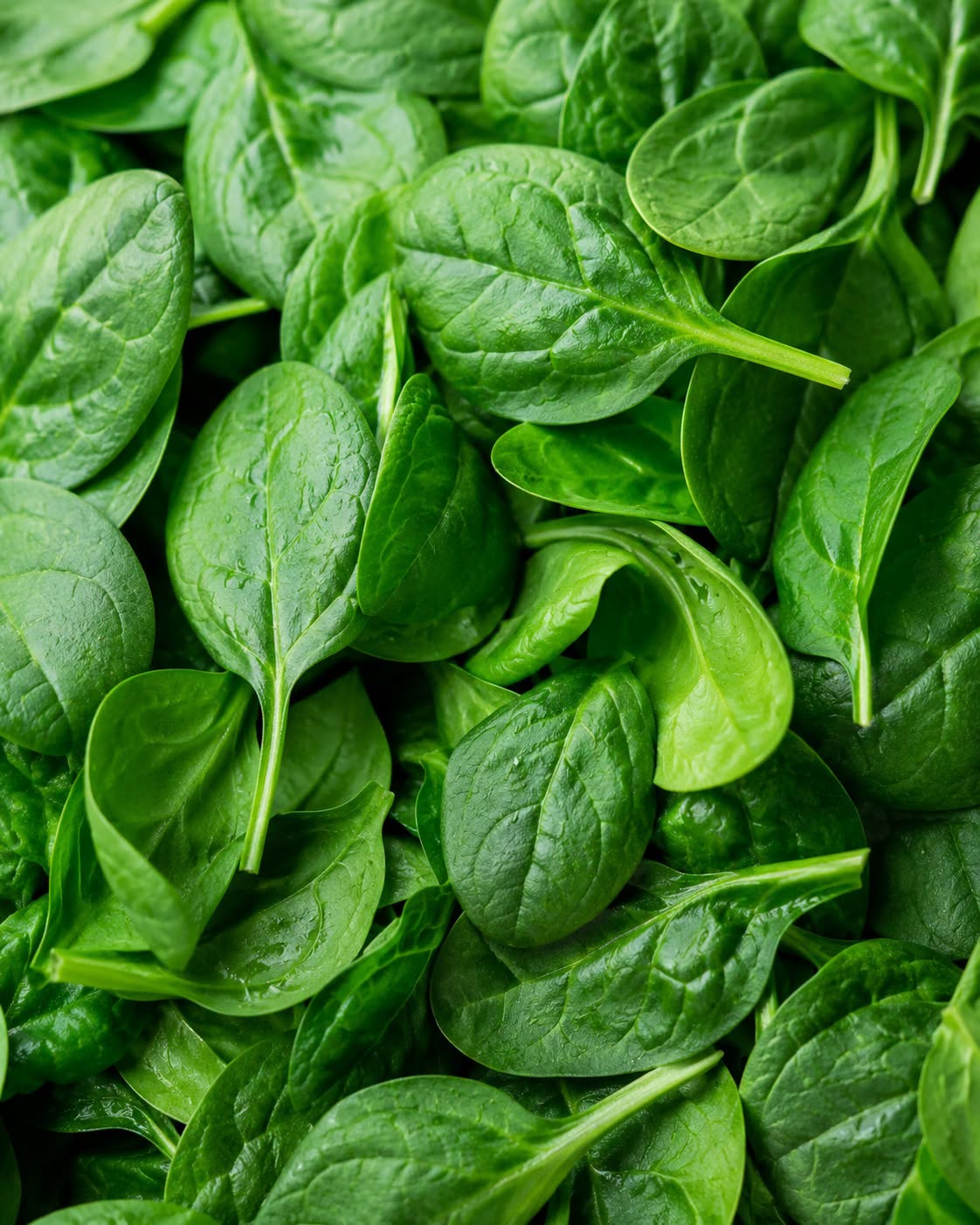
Spinach is highly nutritious, but eating large amounts may pose risks for people prone to kidney stones, chronic kidney disease, or those taking warfarin. Here is what doctors want you to know.
Spinach is often described as a “superfood.” It is rich in fiber, folate, carotenoids, vitamin K, and other nutrients that support overall health. However, doctors and nutrition experts point out that even healthy foods can cause problems in certain situations.
The most important warning associated with spinach is its high oxalate content. For people who are prone to calcium oxalate kidney stones, eating large amounts of spinach may increase their risk. Spinach may also require special consideration if you have chronic kidney disease, take the blood thinner warfarin, or consume large quantities in concentrated smoothies.
This does not mean that spinach is toxic or unhealthy for everyone. For most people, spinach can remain part of a balanced diet. The real issue is the amount consumed, the way it is prepared, and a person’s existing health conditions.
The Headline Is Partly True—but Only for Certain People
The statement that “spinach can cause kidney stones” is incomplete. Spinach does not automatically cause kidney stones in every person who eats it.
Kidney stones develop when certain substances become highly concentrated in the urine and form crystals. Several factors can contribute, including genetics, dehydration, high sodium intake, certain medical conditions, medications, and the type of stone a person forms.

According to the National Institute of Diabetes and Digestive and Kidney Diseases, people who have had calcium oxalate stones may need to pay attention to high-oxalate foods such as spinach, rhubarb, peanuts, wheat bran, and some nuts.
Therefore, the concern is greatest for people with a previous history of calcium oxalate kidney stones or laboratory evidence of high urinary oxalate. A person who has never had kidney stones and eats a normal portion of spinach is generally not in the same risk category.
For illustrative purposes only
1. Spinach May Increase the Risk of Calcium Oxalate Kidney Stones
Oxalate is a naturally occurring compound found in many plant foods. Spinach contains an especially high amount compared with many other vegetables.
When oxalate is absorbed into the bloodstream, the kidneys filter it into the urine. If there is too much oxalate in the urine, it can combine with calcium and form calcium oxalate crystals. Over time, these crystals may grow into kidney stones.
This process is more likely when a person is dehydrated, consumes a high-sodium diet, or has an individual tendency to form stones. It is not simply a matter of eating spinach once and immediately developing a kidney stone.
The type of kidney stone also matters. Calcium oxalate stones are different from uric acid, struvite, or cystine stones. A dietary restriction that helps one type of stone may not be necessary for another. That is why doctors usually recommend testing the stone or performing urine tests before advising someone to eliminate major food groups.
One important point may seem surprising: avoiding calcium completely is usually not the solution. Calcium from food can bind with oxalate in the digestive tract before oxalate reaches the kidneys. The National Kidney Foundation explains that eating an appropriate amount of calcium with meals may help reduce oxalate absorption.
For example, a person who has been advised to limit oxalate may be able to eat a smaller portion of spinach alongside an appropriate calcium-containing food. This should be discussed with a physician or renal dietitian, particularly if the person also has kidney disease.
2. Large Spinach Smoothies May Be Different from a Normal Serving
Eating a modest serving of spinach as part of a varied meal is very different from consuming several large handfuls every day in a concentrated green smoothie.
Smoothies and juice cleanses can contain much larger quantities of raw spinach than most people would eat in a normal meal. Repeating this habit daily may substantially increase oxalate exposure.
Rare medical case reports have described acute oxalate-related kidney injury after extreme consumption of green smoothies or juice cleanses. One published case report described oxalate nephropathy associated with a green smoothie cleanse in a person with risk factors.
Such reports do not prove that ordinary spinach consumption causes kidney failure. They show that concentrated, excessive intake may be unsafe for susceptible individuals, particularly those with pre-existing kidney problems, reduced kidney function, or a history of kidney stones.
People with kidney disease should not begin a high-volume green smoothie routine without discussing it with their healthcare provider. “Natural” does not always mean harmless when a food is consumed in concentrated amounts.
3. Spinach Can Be High in Potassium for People with Kidney Disease
Potassium is an essential mineral that helps regulate nerve signals, muscle contractions, and heart function. Healthy kidneys normally remove excess potassium from the blood.
In advanced chronic kidney disease, however, the kidneys may not remove potassium efficiently. Some medications can also raise blood potassium levels. Excess potassium, known as hyperkalemia, can be dangerous, although many people do not feel symptoms until the level becomes significantly abnormal.
The NIDDK potassium guide for people with chronic kidney disease lists cooked spinach among foods that may be higher in potassium.
This does not mean every person with kidney disease must completely avoid spinach. Potassium needs vary depending on kidney function, blood-test results, dialysis status, medications, and the overall diet. Some people may be able to eat a small portion, while others may need to limit it more strictly.
Do not remove potassium-rich foods from your diet based only on an online article. If you have chronic kidney disease, ask your doctor or renal dietitian how much spinach is appropriate for you. Your blood tests are more useful than a general food list.
For illustrative purposes only
4. Vitamin K in Spinach Can Interact with Warfarin
Spinach is also rich in vitamin K, a nutrient involved in normal blood clotting and bone health. For most people, this is a benefit rather than a problem.
The concern applies mainly to people taking warfarin, a prescription anticoagulant. Warfarin works partly by interfering with vitamin K-dependent clotting processes. A sudden change in vitamin K intake can affect how well the medication works.
The NIH Office of Dietary Supplements advises people taking warfarin to consume approximately the same amount of vitamin K each day. Suddenly eating a large amount of spinach after rarely eating leafy greens—or abruptly eliminating spinach from the diet—may alter anticoagulation control.
The solution is usually consistency, not total avoidance. A person taking warfarin may be able to eat spinach regularly, but the amount should remain reasonably stable. Any major dietary change should be reported to the prescribing doctor or anticoagulation clinic.
This warning should not automatically be applied to every blood thinner. Different anticoagulants work in different ways. Ask a doctor or pharmacist about the specific medication being used, and never change or stop a prescription without medical advice.
5. Raw Spinach May Cause Digestive Discomfort in Some People
Spinach provides dietary fiber, but eating a large amount suddenly may cause temporary bloating, gas, abdominal discomfort, or changes in bowel movements in some individuals.
These effects are more likely when someone moves from a low-fiber diet to large raw salads or daily green smoothies. People with sensitive digestion may tolerate cooked spinach better because cooking softens the leaves and reduces their volume.
A gradual increase is often easier to tolerate. Begin with a small portion, eat slowly, and include different vegetables rather than relying on spinach every day. If digestive symptoms are persistent, severe, or accompanied by weight loss or blood in the stool, medical evaluation is appropriate.
6. Contaminated Raw Spinach Can Cause Foodborne Illness
Like other fresh produce, raw spinach can become contaminated with harmful bacteria during growing, harvesting, transportation, storage, or preparation.
The U.S. Food and Drug Administration recommends washing fresh produce thoroughly under running water before eating or preparing it. Soap, detergent, and commercial produce washes are not recommended because produce is porous and these substances may remain on the food.
Washing can reduce contamination, but it does not eliminate every microorganism. Cooking produce thoroughly can further reduce the risk of foodborne illness.
People who are pregnant, elderly, immunocompromised, or living with certain chronic illnesses should be especially careful with raw produce. Keep bagged spinach refrigerated, check expiration dates, avoid packages that appear damaged, and prevent contact between ready-to-eat spinach and raw meat or seafood.
For illustrative purposes only
How to Eat Spinach More Safely
For most people, the goal is not to eliminate spinach but to consume it sensibly.
Eat reasonable portions
A normal serving of spinach in a salad, soup, omelet, or cooked meal is very different from consuming several cups of raw spinach daily. Rotate spinach with other vegetables to create a more varied diet.
If you have kidney stones, identify the type
Do not assume every kidney stone requires the same diet. Ask whether your stone was made of calcium oxalate, uric acid, or another substance. If you form calcium oxalate stones, a healthcare professional may recommend limiting very high-oxalate foods, including spinach.
Pair oxalate-containing foods with appropriate calcium
For some calcium oxalate stone formers, eating calcium-containing foods with a meal may help bind oxalate in the digestive tract. However, calcium supplements should not be added without professional advice, particularly when kidney disease is present.
Stay adequately hydrated
Adequate fluid intake is one of the most important ways to reduce kidney stone risk. The right amount depends on body size, climate, activity level, heart function, and kidney function. People with kidney failure may have fluid restrictions, so they should follow their medical team’s instructions.
Reduce excess sodium
High sodium intake can increase calcium excretion in the urine and contribute to kidney stone risk. Limiting highly processed foods, fast food, salty sauces, and packaged meals may be more important than eliminating every vegetable that contains oxalate.
Consider cooking methods
Research has found that boiling can reduce soluble oxalate in some vegetables, including spinach, although the amount removed depends on the food and cooking method. One study published in PubMed found that cooking methods affected vegetable oxalate levels.
Cooking does not remove all oxalate, so people with significant stone risk should not assume boiled spinach is automatically unrestricted. If oxalate reduction is the goal, the cooking water should generally not be reused as a beverage or concentrated sauce.
What Doctors Are Not Saying
Medical professionals are not saying that everyone should stop eating spinach.
They are not saying that spinach is poisonous, that it causes kidney stones in every person, or that its vitamin K content is dangerous for people who do not take warfarin. They are also not saying that every person with kidney disease must permanently eliminate spinach.
The more accurate message is that a food’s health effects depend on individual circumstances. Spinach can be an excellent source of nutrients, but excessive intake may be inappropriate for people with calcium oxalate stones, impaired kidney function, high potassium levels, or warfarin treatment.
The Bottom Line
Spinach is a nutritious vegetable, not a food that most people need to fear. The main concern is its high oxalate content, which may contribute to calcium oxalate kidney stones in susceptible individuals. People with chronic kidney disease may also need to monitor its potassium, while those taking warfarin should keep their vitamin K intake consistent.
If you are healthy, eating moderate portions of spinach as part of a varied diet is generally reasonable. If you have kidney stones, chronic kidney disease, abnormal potassium levels, or take warfarin, ask your healthcare provider for personalized advice before making major dietary changes.