Avoid Ginger If You Have These 5 Health Problems – What You Need to Know
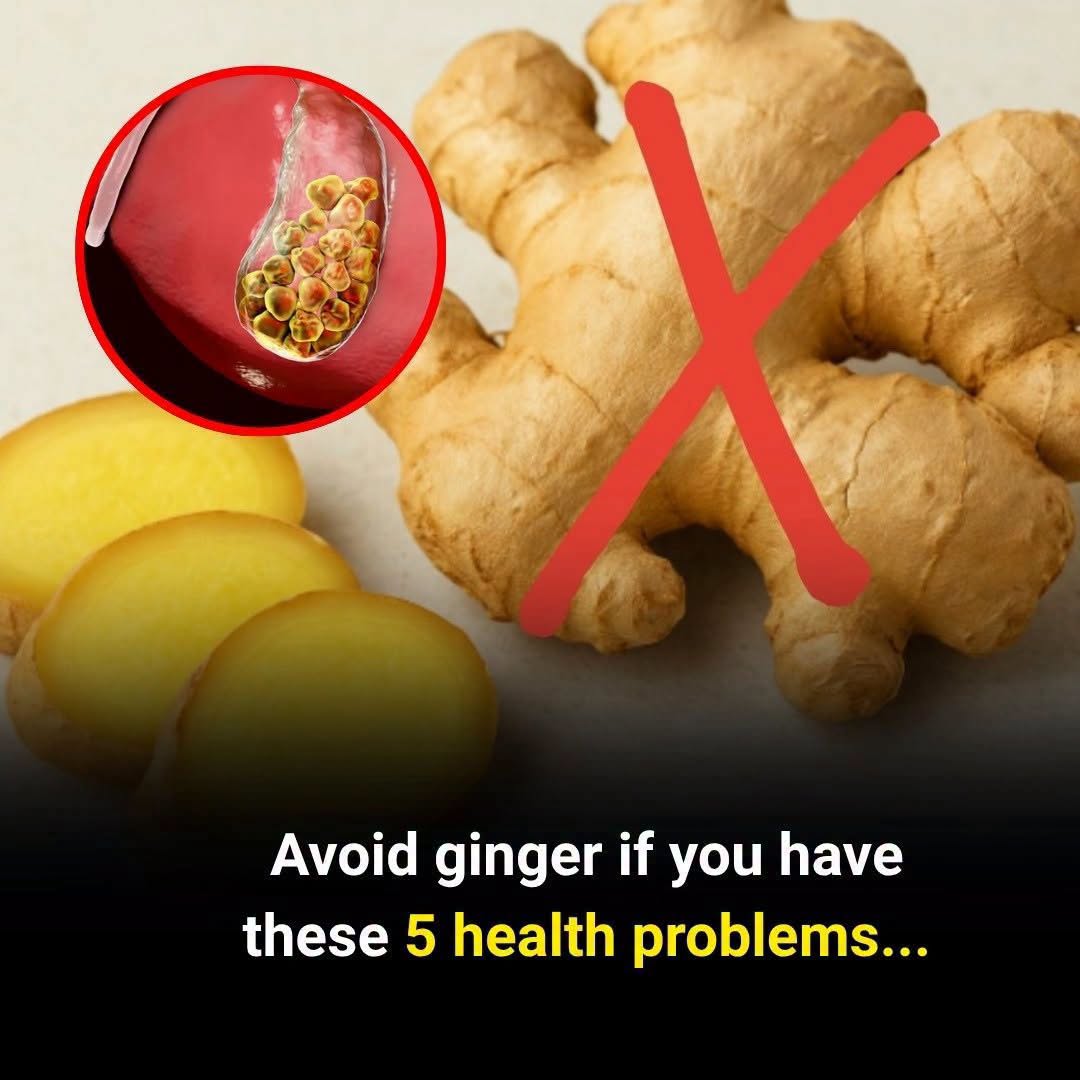
Ginger has long been celebrated for its potential health benefits, earning a reputation as a natural remedy for several common health complaints. From easing nausea and supporting digestion to helping reduce inflammation and relieving cold symptoms, this popular root is a regular part of many people’s diets.
For most healthy individuals, ginger is generally considered safe when consumed in normal dietary amounts. However, despite its many benefits, it may not be suitable for everyone.
Certain medical conditions and medications can make ginger consumption more complicated. In some cases, its natural compounds may interact with prescription drugs, affect normal bodily processes or potentially worsen existing health problems.
One group that should be particularly careful includes people with bleeding disorders or those taking medications designed to prevent blood clots.
Ginger contains naturally occurring compounds, including salicylates, that may influence blood clotting. For individuals who already have difficulty controlling bleeding, or who take blood-thinning medication, consuming large amounts of ginger could potentially increase certain risks.

Understanding these possible interactions is important before making ginger a regular part of your diet.
1. Bleeding Disorders
People diagnosed with bleeding disorders should exercise particular caution when consuming ginger, especially in concentrated forms such as supplements.
Conditions such as hemophilia and Von Willebrand disease can interfere with the body’s ability to form blood clots and stop bleeding normally.
Because ginger contains compounds that may influence platelet activity and blood clotting, consuming excessive amounts could potentially increase bleeding risks in susceptible individuals.
Possible warning signs include unexplained bruising, frequent nosebleeds and bleeding that takes longer than usual to stop following an injury or medical procedure.
Even though ginger is widely used in everyday cooking and herbal teas, people with existing bleeding disorders should not automatically assume that every form or quantity is harmless.
Anyone living with these conditions should consult a healthcare professional before significantly increasing their ginger consumption or starting ginger supplements.
2. People Taking Blood-Thinning Medications
Another group that needs to be careful includes individuals taking anticoagulant or antiplatelet medications.
These medicines are prescribed to reduce the risk of dangerous blood clots, but combining them with large amounts of ginger may create additional concerns because of ginger’s potential effects on blood clotting.
Medications that require particular attention include:
Warfarin: An anticoagulant used to help prevent harmful blood clots.
Aspirin: A medication that can reduce platelet activity and help prevent clot formation.
Clopidogrel: An antiplatelet medicine prescribed to reduce the risk of blood clots.
Heparin: An anticoagulant used in several medical situations to prevent or treat blood clots.
For people taking these medications, consuming excessive amounts of ginger could potentially increase the likelihood of bleeding or bruising.
The risk may vary depending on the medication, dosage, individual health condition and amount of ginger consumed.
For this reason, anyone taking blood-thinning medication should speak with their doctor or pharmacist before adding concentrated ginger supplements to their routine.
It is also important not to stop or change prescribed medication simply because of concerns about ginger.
3. People at Increased Risk of Excessive Bleeding
Even without a diagnosed bleeding disorder, some individuals may already have an increased risk of bleeding because of their medical history, medications or other health circumstances.
For these people, adding large amounts of ginger to their diet may deserve additional consideration.
Potential warning signs of excessive bleeding include frequent bruising, recurring nosebleeds and bleeding that continues longer than expected after an injury.
The concern becomes particularly important before or after surgery, when the body’s ability to control bleeding is essential.
People preparing for surgical procedures should inform their healthcare team about any ginger supplements or concentrated herbal products they regularly consume.
A medical professional can determine whether any adjustments are necessary based on the individual’s circumstances.
4. People Preparing for Surgery
Surgical procedures require careful attention to anything that could influence blood clotting or increase the risk of complications.
Because ginger may affect platelet activity, consuming large quantities or concentrated supplements around the time of surgery could be a concern.
This is especially relevant for individuals who already take anticoagulant or antiplatelet medications.
Patients should tell their doctors about all supplements, herbal products and dietary preparations they use before undergoing an operation.
Medical professionals can then provide specific instructions about whether ginger products should be temporarily avoided.
Importantly, people should not make these decisions independently, as the appropriate precautions depend on the type of surgery, medical history and medications involved.
5. People With Complex Medication Regimens or Existing Health Conditions
Individuals managing multiple medical conditions or taking several prescription medications should also be cautious about introducing ginger supplements without professional advice.
Although ginger is a common food ingredient, concentrated supplements can deliver significantly larger amounts of its active compounds than ordinary meals.
This distinction matters because potential interactions may depend on the quantity consumed and the other medications a person takes.
For someone managing a chronic condition, even a seemingly harmless herbal supplement should be considered as part of their overall treatment plan.
A doctor or pharmacist can help determine whether ginger is appropriate and whether any potential interactions need to be monitored.
Are There Safer Alternatives to Ginger?
People who need to limit ginger consumption do not necessarily have to give up on supporting their overall health.
Depending on their individual medical needs, several dietary and lifestyle choices may offer alternative ways to support general well-being.
Foods containing omega-3 fatty acids, for example, can be part of a balanced diet. Gentle herbal teas, such as chamomile, may also be an option for people looking for alternatives to ginger-based drinks.
Lifestyle adjustments can make a difference as well. Light physical activity, when appropriate, may support circulation and contribute to overall cardiovascular health.
However, these alternatives are not automatically suitable for everyone. People with bleeding disorders or those taking blood-thinning medication should also check with their healthcare professional before introducing new supplements or herbal products.
What You Should Remember Before Consuming Ginger
Ginger can be a useful addition to a balanced diet, and many people enjoy it for its distinctive flavor and potential digestive and anti-inflammatory benefits.
However, natural does not always mean risk-free.
People with bleeding disorders, those taking anticoagulant or antiplatelet medications, and individuals preparing for surgery should pay particular attention to how much ginger they consume, especially in concentrated supplement form.
The safest approach is to discuss regular ginger consumption with a healthcare professional if you have an underlying medical condition or take medication that affects blood clotting.
Understanding both the potential benefits and the possible risks can help you make informed decisions about your diet without unnecessarily putting your health at risk.