Mini Str0ke in the Elderly: Common and Unusual Symptoms
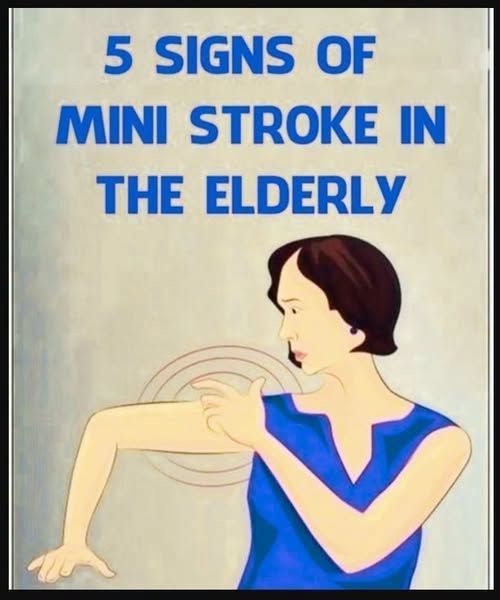
A transient ischemic attack, or TIA, happens when blood flow to part of the brain is briefly blocked, often by a clot. Symptoms usually resolve, but the risk of a subsequent stroke is especially high in the first days. Older adults face greater risk, particularly with high blood pressure, diabetes, high cholesterol, smoking, or atrial fibrillation. Sudden difficulty speaking, weakness on one side, vision changes, or loss of coordination require emergency assessment. A sudden severe headache also warrants emergency care, whether or not a TIA is suspected.
Call your local emergency number immediately; do not wait for symptoms to return or drive the person yourself. Note when symptoms began or when they were last well. Clinicians may use brain imaging, blood vessel tests, and heart monitoring to guide treatment. Prevention can include prescribed antiplatelets or anticoagulants, cholesterol treatment, and blood pressure management. Do not start aspirin without medical guidance. Prompt action can protect someone’s future.