Proven Health Benefits of Walnuts, How Many to Eat, and More (Science Based)
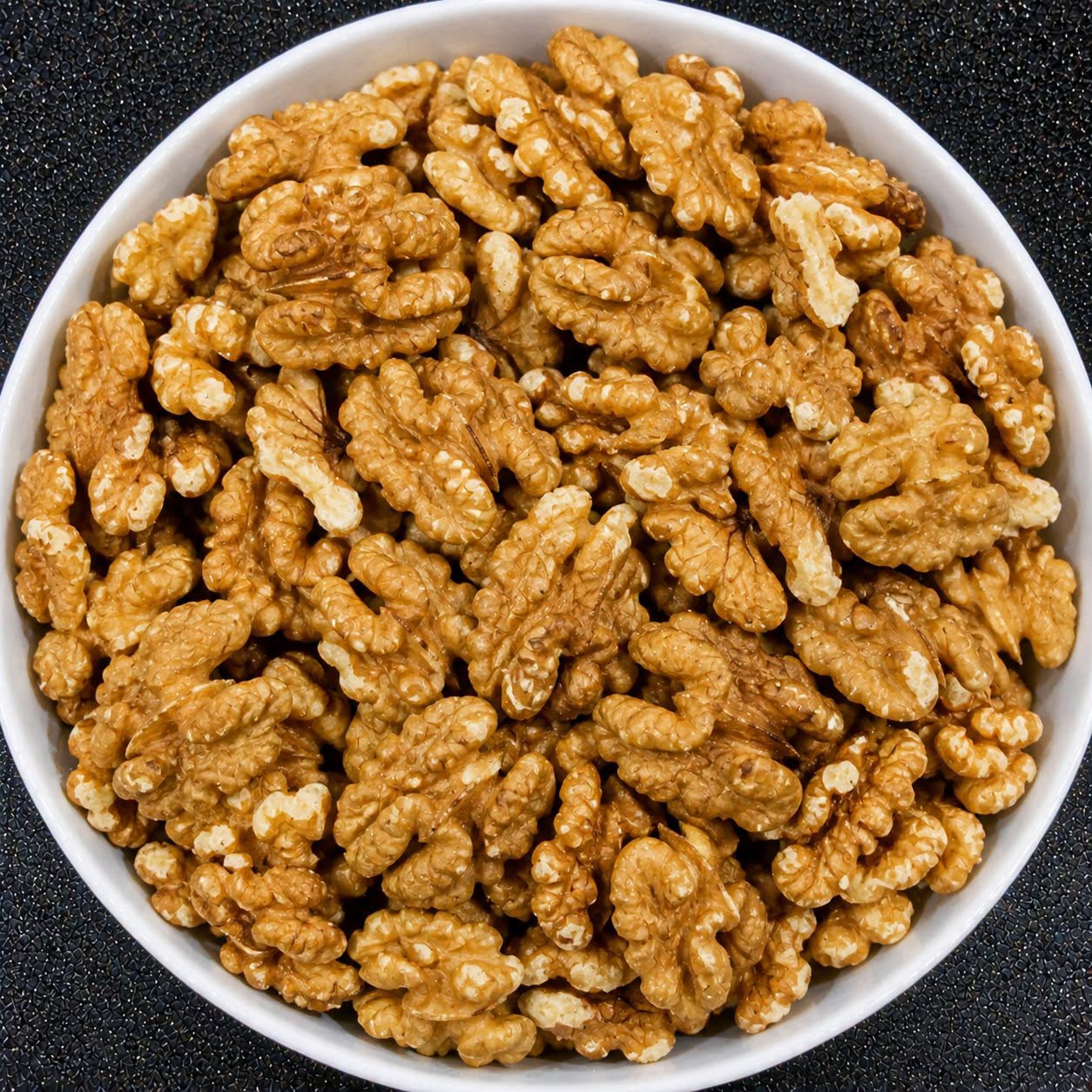
Walnuts are an extremely nutritious type of seed that grows on the walnut tree. Raw walnuts are full of antioxidants, healthy fatty acids, and many nutrients. Consuming a few walnuts a day is good to keep your brain functioning well, boost your heart health, and have healthy skin.
Many of the health benefits of walnuts come from the fact that they contain iron, selenium, vitamin E, and some B-group vitamins. Walnuts are also a rich source of essential omega-3 fatty acids. In fact, just 3 or 4 walnuts (or 7 walnut halves) could help you meet your daily omega-3 needs.
A review of medical studies has shown that eating walnuts lowers LDL (“bad”) cholesterol, decreases blood pressure, improves vascular function, and decreases oxidative stress and inflammation. The scientific review concluded that some of the beneficial effects can be measured within hours after eating walnuts. (45)
In this article, you will find out why walnuts are one of the best nuts that you can eat for good health.
What Are Walnuts?
The walnut tree is from the Juglans genus, and grows in many countries that have a temperate climate.

Walnut trees produce a fruit called the walnut, which is actually a seed that is contained in a hard shell. The most common types of walnuts are the Persian Walnut, English Walnut, and the black walnut.
Walnut shells need to be cracked open to get to the edible walnut seed. This process may result in splitting the walnut kernel in half. Walnuts look like wrinkly lobes that are covered by a thin brown skin.
Like most nuts and seeds, walnuts can go bad if not stored correctly. According to the University of California, you can prevent shelled walnuts from going rancid by keeping them in an airtight container in the refrigerator. This can increase the shelf life of walnuts. (1)
The flesh of the walnut and the skin are rich in antioxidants that have tremendous health benefits. (2, 3)
Nutritional Value of Walnuts
When examining the nutritional value of walnuts, it becomes easy to see just why walnuts are so good for you.
Walnuts are good for both men and women because they contain a lot of protein, vitamins, minerals, and antioxidants.
1 oz. (28 g) of walnuts are approximately 14 halves. An ounce of walnuts contains 185 calories , 45 mg magnesium, and nearly 2 g of dietary fiber, which is 8% of your recommended daily fiber intake. 1/4 cup of shelled walnuts contains 164 calories. (4)
1 oz. (28 g) of walnuts (7 walnuts) contains 4.3 g protein.
A serving of 14 walnut halves contains 4 grams of carbohydrates and have a low glycemic index. (4)
A daily serving of walnuts can also be good for your health because they contain healthy fats. Walnuts contain a unique combination of polyunsaturated fatty acids – n-6 (linoleate) and n-3 (linolenate). These healthy fats have been associated with improved cardiovascular health. (5, 6)
As well as containing healthy fatty acids, walnuts are also a good source of vitamins and minerals that can help to keep you healthy. According to the United States Department of Agriculture, 1/4 cup of chopped walnuts (approx. 30 grams) contains 50% of your daily manganese requirements (RDI), 23% of your copper RDI, 11% or your magnesium RDI, and nearly 5% of your iron RDI. (7, 4)
Walnuts contain a lot of antioxidants
One of the reasons that eating 2 or 3 walnuts per day is so good for you is that they are jam-packed with antioxidants.
Most nuts and seeds contain polyphenols – important antioxidants that are necessary for good health. When it comes to antioxidants in walnuts, it seems that walnuts stand out among other nuts.
The journal Critical Reviews in Food Science and Nutrition reported in 2017 that walnuts have strong health-promoting effects. Scientists have discovered that walnuts are one of the most important sources of polyphenols. These antioxidants also help to reduce inflammation and can help prevent various chronic diseases like cancer, cardiovascular disease, and neuro-degenerative diseases. (8)
Walnuts are a rich source of omega-3 fatty acids (ALA)
Because raw walnuts are such a great source of omega-3 fatty acids, you can call walnuts a heart-healthy nut. A one-ounce serving (28 g) of walnuts contains 2.57 gram of beneficial omega-3 fatty acids. (9)
According to scientific research, walnuts contain one of the highest levels of omega-3 of any nut. (10) What’s more, walnuts contain a type of omega-3 fatty acid called alpha-linolenic acid (ALA).
Studies have shown that walnuts are one of the best sources of ALA fatty acids. One study found that consuming a few walnuts daily for 3 weeks significantly increased ALA levels and eicosapentaenoic acids (EPA) levels in the blood. (11)
The rich source of ALA omega-3 in walnuts has significant benefits for your heart health. Studies show that regularly consuming ALA fatty acids lowers your risk of cardiovascular disease. (12)