The Truth About Right-Side Sleeping and Snoring: Does It Help or Make Things Worse?
Snoring may seem like a simple nighttime annoyance, but it is influenced by many factors, including anatomy, breathing patterns, sleep depth, allergies, body weight, alcohol consumption, and—perhaps most importantly—sleep position.
One question people often ask is whether sleeping on the right side helps reduce snoring or makes it worse. The answer is not entirely straightforward, but research provides some useful insights.
Why Sleep Position Affects Snoring
Snoring occurs when airflow is partially blocked during sleep. As the muscles in the throat relax, the airway narrows. Air moving through this smaller space causes nearby tissues to vibrate, creating the familiar snoring sound.
Your sleeping position affects how gravity acts on these tissues. This is why sleeping on your back is strongly linked to louder and more frequent snoring. In this position, gravity pulls the tongue and soft palate backward, narrowing the airway.
Side sleeping generally helps keep the airway more open and often reduces snoring. However, not all side-sleeping positions have the same effect.

For illustrative purposes only
Is Sleeping on the Right Side Helpful or Harmful?
For many people, sleeping on the right side reduces snoring compared to sleeping on the back. However, it may not be as beneficial as sleeping on the left side, especially for people with certain health conditions.
Here are the main reasons why:
1. Airway Support
Sleeping on either side helps prevent the tongue from falling backward into the throat. This alone can significantly reduce snoring.
From this perspective, sleeping on the right side is usually better than sleeping on your back. However, some sleep specialists suggest that the left side may provide slightly better airway stability, particularly for people with sleep apnea or reflux-related snoring.
2. The Acid Reflux Connection
Acid reflux can contribute to snoring by irritating and inflaming the throat and airway. This inflammation can narrow the airway and make snoring worse.
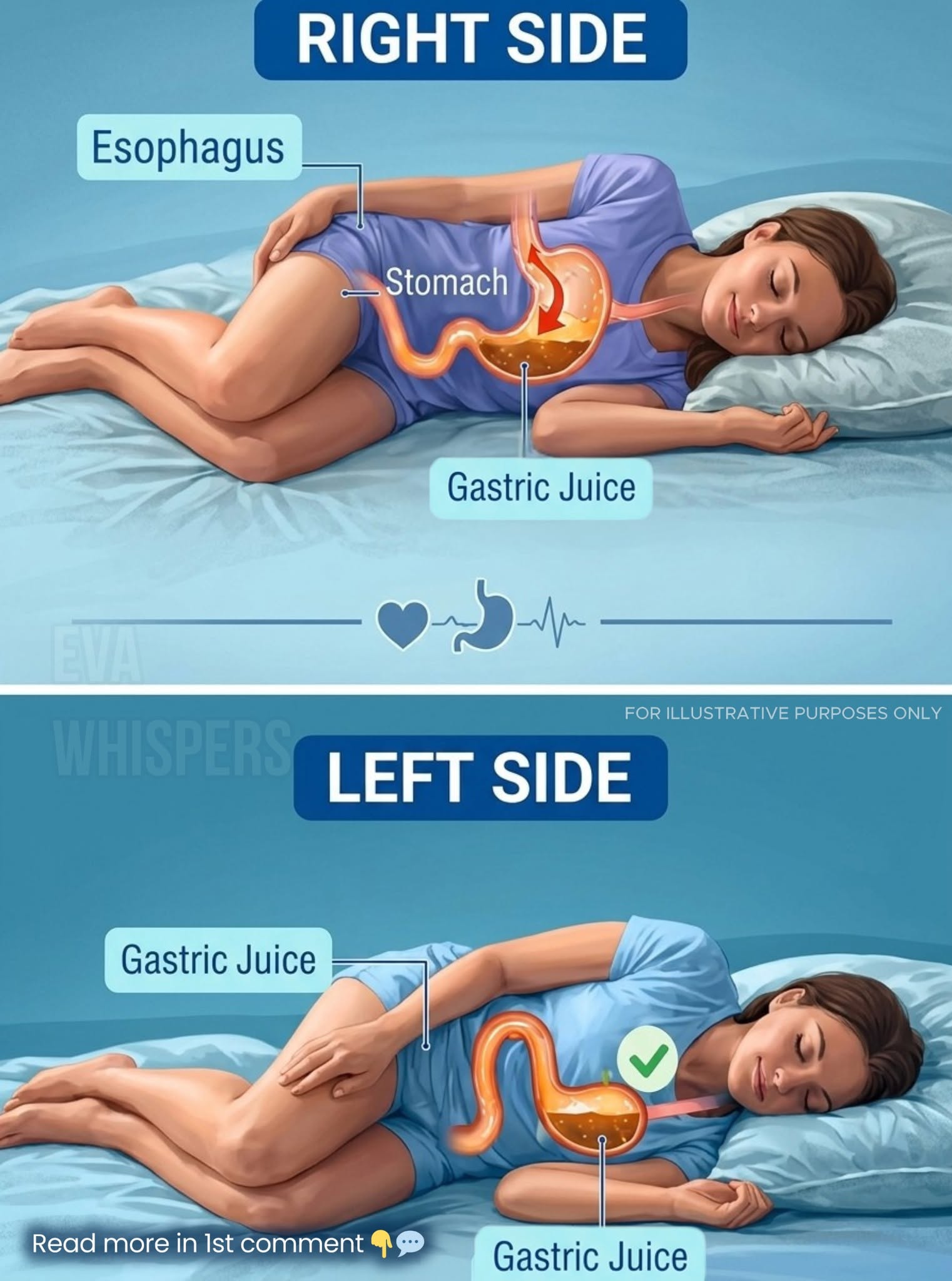
Research suggests that sleeping on the right side may increase acid reflux because of the way the stomach and esophagus are positioned. As a result, people with gastroesophageal reflux disease (GERD) may experience more throat irritation during the night, which can lead to increased snoring.
Sleeping on the left side, on the other hand, has been shown to reduce reflux episodes. This is why doctors often recommend left-side sleeping for people who experience both acid reflux and snoring.
3. Nasal Congestion
Some people notice that nasal congestion changes depending on which side they are lying on. Gravity and changes in blood flow can increase congestion in the lower nasal passage.
If your snoring is caused mainly by nasal blockage rather than throat narrowing, sleeping on the right side may sometimes worsen snoring by increasing congestion in the right nostril.
For illustrative purposes only
When Right-Side Sleeping May Help
Sleeping on your right side may reduce snoring if:
Your snoring mainly occurs when you sleep on your back
You do not have acid reflux
Your snoring is mild and strongly related to sleep position
Shoulder or hip discomfort makes left-side sleeping uncomfortable
In these situations, sleeping on the right side can be a practical and effective way to reduce snoring.
When Right-Side Sleeping May Make Snoring Worse
Sleeping on the right side may not be the best choice if:
You have acid reflux or frequent heartburn
You have moderate to severe sleep apnea
Your snoring is linked to throat irritation or inflammation
You regularly wake up with a sore throat or hoarse voice
In these cases, sleeping on the left side is often the better option.
For illustrative purposes only
Tips to Reduce Snoring
If you prefer sleeping on your right side but still snore, consider the following strategies:
Elevate your head slightly with a supportive pillow
Avoid alcohol within three to four hours of bedtime
Treat nasal congestion with saline rinses or a humidifier
Maintain a healthy weight
Try switching to your left side if reflux symptoms develop during the night
The Bottom Line
Sleeping on your right side is generally better than sleeping on your back when it comes to reducing snoring. However, it is not necessarily the best sleeping position for everyone.
For people with acid reflux or sleep apnea, sleeping on the left side often provides greater relief. The best approach is to pay attention to your own symptoms and choose the position that helps you breathe and sleep most comfortably.
Sometimes, a small change in sleeping position can make a noticeable difference—not only for your own sleep quality, but also for anyone sharing the room with you.
Disclaimer: Content is provided for informational purposes only and is not intended as a substitute of medical advice. Seek guidance of your doctor regarding your health and medical conditions.