Vertical Lines on Your Nails: What Do They Really Mean for Your Health?
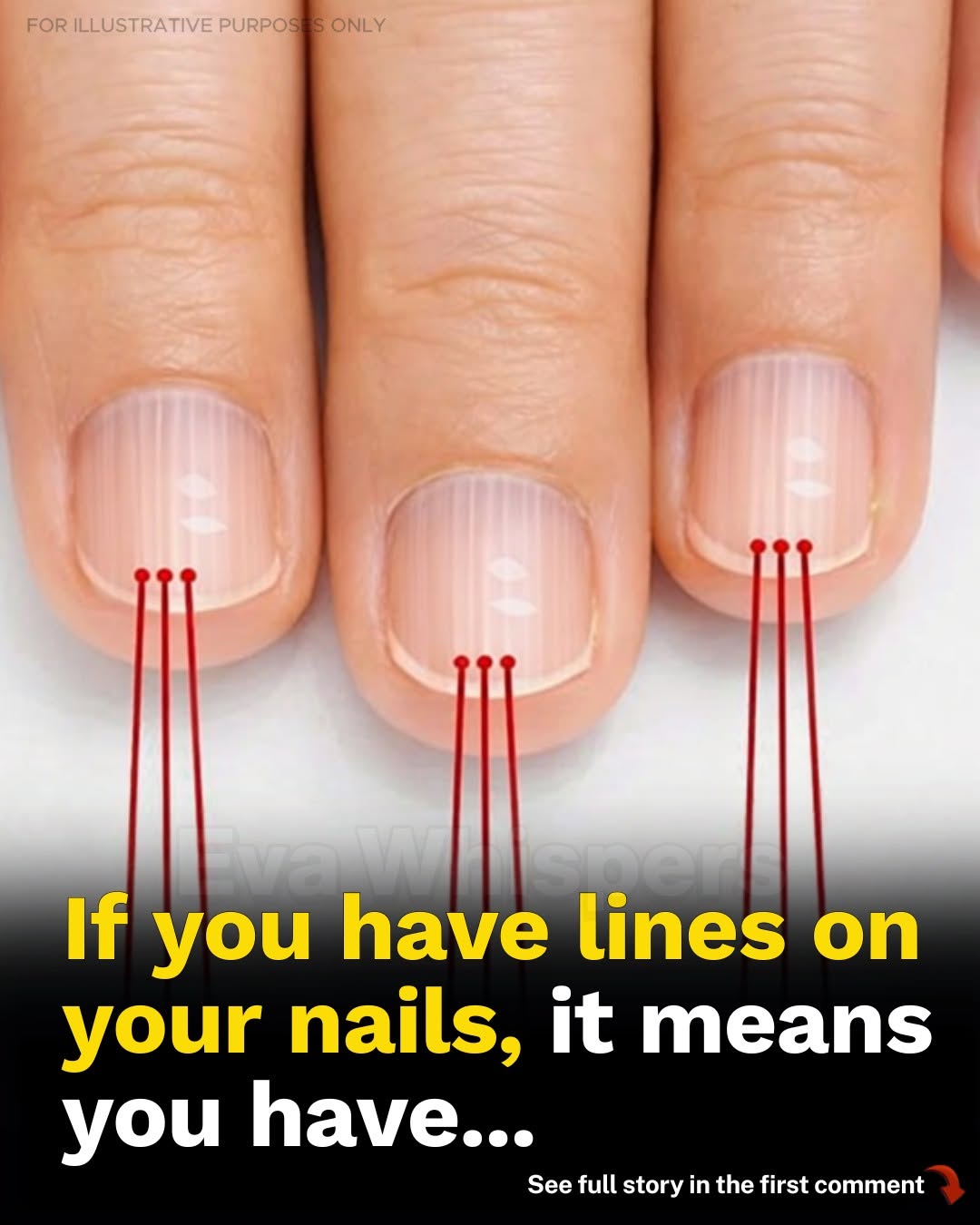
Have you ever noticed thin vertical lines running from the base of your fingernails to the tip? These ridges are surprisingly common, especially as people get older. While many individuals worry that vertical nail ridges are a sign of a serious health problem, the reality is often much less alarming.
However, in some cases, changes in the appearance of your nails can provide valuable clues about your overall health. Understanding what causes vertical nail ridges can help you determine when they are a normal part of aging and when they might warrant medical attention.
What Are Vertical Nail Ridges?
Vertical nail ridges, also known as longitudinal ridges, are raised lines that extend from the cuticle to the tip of the nail. They can appear on one or several nails and may vary in depth and visibility.
Unlike horizontal ridges, which can sometimes indicate illness or physical stress, vertical ridges are usually harmless and often develop gradually over time.
For illustrative purposes only
The Most Common Cause: Aging
One of the most frequent reasons for vertical ridges is simply aging.

As we get older, the body’s natural production of oils and moisture decreases. This can affect the nail matrix—the tissue responsible for nail growth—causing nails to become drier and more brittle. As a result, subtle ridges may form along the nail surface.
Much like wrinkles on the skin, vertical nail ridges are considered a normal age-related change and are generally not a cause for concern.
Nutritional Factors
In some cases, prominent nail ridges may be associated with nutritional deficiencies.
Nails require adequate amounts of vitamins, minerals, and protein to grow properly. Deficiencies in nutrients such as:
Iron
Vitamin B12
Folate
Magnesium
Zinc
can sometimes contribute to changes in nail texture and appearance.
Iron deficiency, in particular, may lead to brittle nails and other nail abnormalities. If nail changes are accompanied by fatigue, weakness, dizziness, or pale skin, it may be worth discussing nutrient testing with a healthcare professional.
Dehydration and Dry Nails
Insufficient hydration can also affect nail health.
When nails become excessively dry, they may develop more noticeable ridges and become prone to splitting or cracking. Frequent exposure to water, harsh cleaning products, and alcohol-based sanitizers can further strip moisture from the nails.
Using moisturizing hand creams and cuticle oils regularly may help improve nail appearance and reduce dryness-related ridges.
Medical Conditions That May Affect Nail Appearance
Although vertical ridges are often harmless, certain medical conditions can contribute to changes in nail growth and texture.
These may include:
Thyroid Disorders
Both hypothyroidism and hyperthyroidism can affect nail growth. Some people with thyroid conditions develop brittle nails, ridges, or slow-growing nails.
Autoimmune Diseases
Conditions such as rheumatoid arthritis, lupus, and certain inflammatory disorders may sometimes be associated with nail abnormalities.
Peripheral Vascular Disease
Poor circulation can reduce the delivery of oxygen and nutrients to the nail matrix, potentially affecting nail development.
Skin Conditions
Dermatological conditions such as eczema and psoriasis can impact the nails, leading to ridges, pitting, discoloration, or thickening.
It’s important to remember that nail changes alone are rarely enough to diagnose a medical condition. Doctors consider nail appearance alongside other symptoms and medical history.
When Should You See a Doctor?
Vertical ridges themselves are usually harmless. However, you should consider seeking medical advice if you notice:
Sudden appearance of deep ridges
Significant changes in nail color
Dark streaks under the nail
Nail thickening or distortion
Pain, swelling, or bleeding around the nail
Nail changes accompanied by unexplained fatigue, weight loss, or other symptoms
These signs may indicate an underlying health issue that requires evaluation.
For illustrative purposes only
Tips for Keeping Your Nails Healthy
While some nail changes are unavoidable, several habits can support healthy nail growth:
Eat a Balanced Diet
Focus on foods rich in:
Lean protein
Iron-rich vegetables and meats
Whole grains
Fruits and vegetables
Healthy fats
Stay Hydrated
Drinking enough water supports overall skin and nail health.
Protect Your Hands
Wear gloves when using cleaning products or performing prolonged wet work to reduce moisture loss and chemical exposure.
Moisturize Regularly
Applying hand cream and cuticle oil can help maintain nail flexibility and reduce dryness.
Avoid Excessive Nail Trauma
Frequent picking, biting, or aggressive manicures can damage the nail matrix and affect nail growth.
The Bottom Line
In most cases, vertical lines on the nails are a normal part of aging and do not indicate a serious health problem. They often develop gradually as the nail growth process changes over time.
However, sudden or dramatic nail changes—especially when accompanied by discoloration, pain, or other symptoms—should not be ignored. Your nails can sometimes provide valuable insight into your overall health, making them worth paying attention to.
If you are concerned about persistent or unusual nail changes, consulting a healthcare professional is the best way to determine whether further evaluation is needed.