Why You Get Leg Cramps at Night — And What You Can Do to Prevent Them
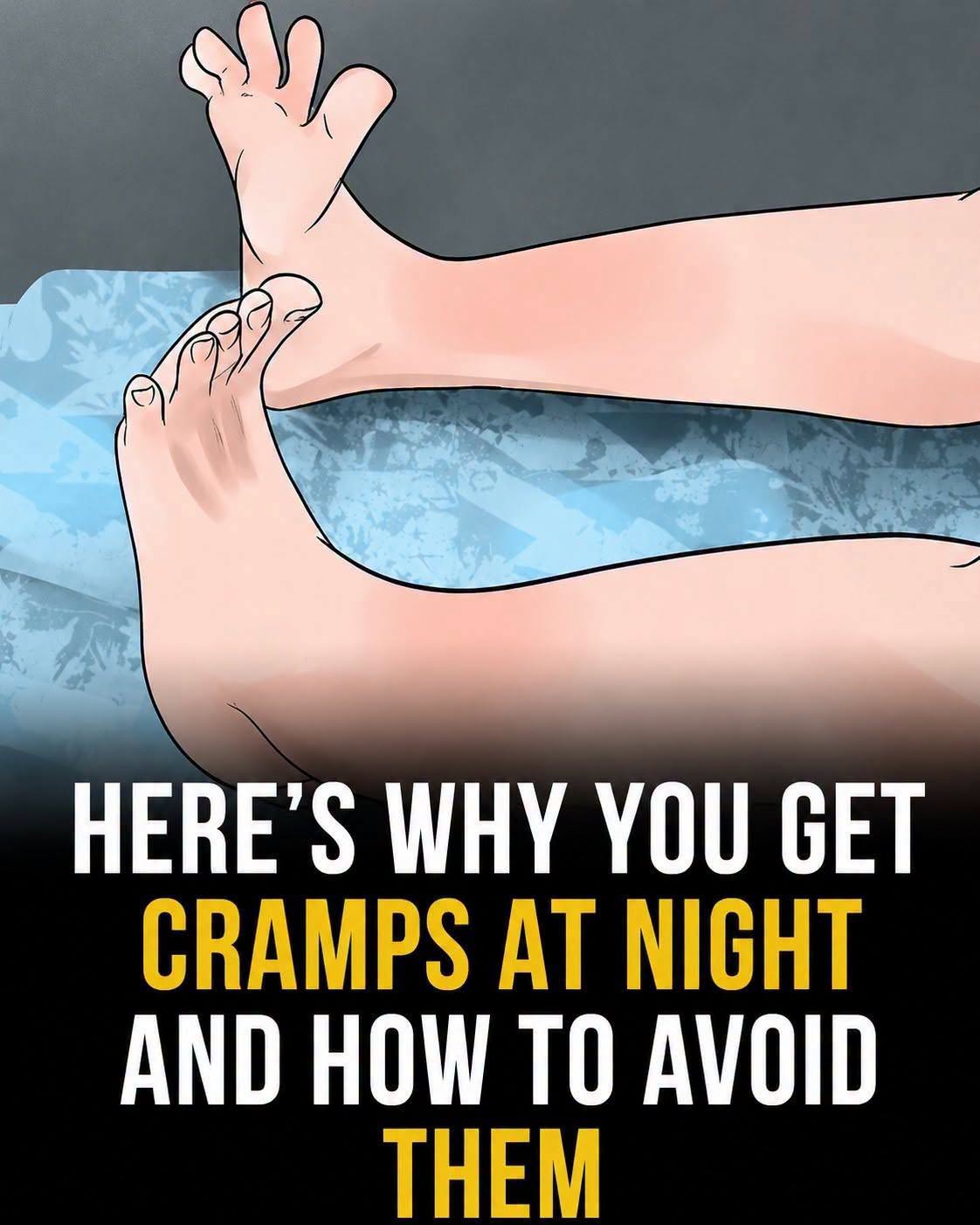
Nighttime leg cramps commonly affect the calves, feet, or thighs, sometimes leaving soreness after the contraction ends. Their cause is often unclear, but muscle fatigue, prolonged sitting, nerve changes, and certain sleeping positions may contribute. Dehydration can play a role after heavy sweating; cramps alone do not prove a mineral deficiency. For relief, gently straighten your leg and draw your toes toward your shin. Massage, warmth, or careful walking may also help.
To reduce episodes, try gentle bedtime stretches, regular activity, and adequate fluids. Avoid sudden exercise increases and unnecessary magnesium or potassium supplements, especially with kidney problems. Ask a clinician about frequent cramps, disrupted sleep, weakness, numbness, or symptoms following medication changes. New swelling, warmth, redness, or persistent pain in one leg needs urgent assessment. Sudden breathlessness or chest pain warrants emergency help. Most occasional cramps are harmless, but recurring pain deserves attention—not another exhausted morning.