Johnny Cash Survived Loss and Addiction to Become a Music Legend
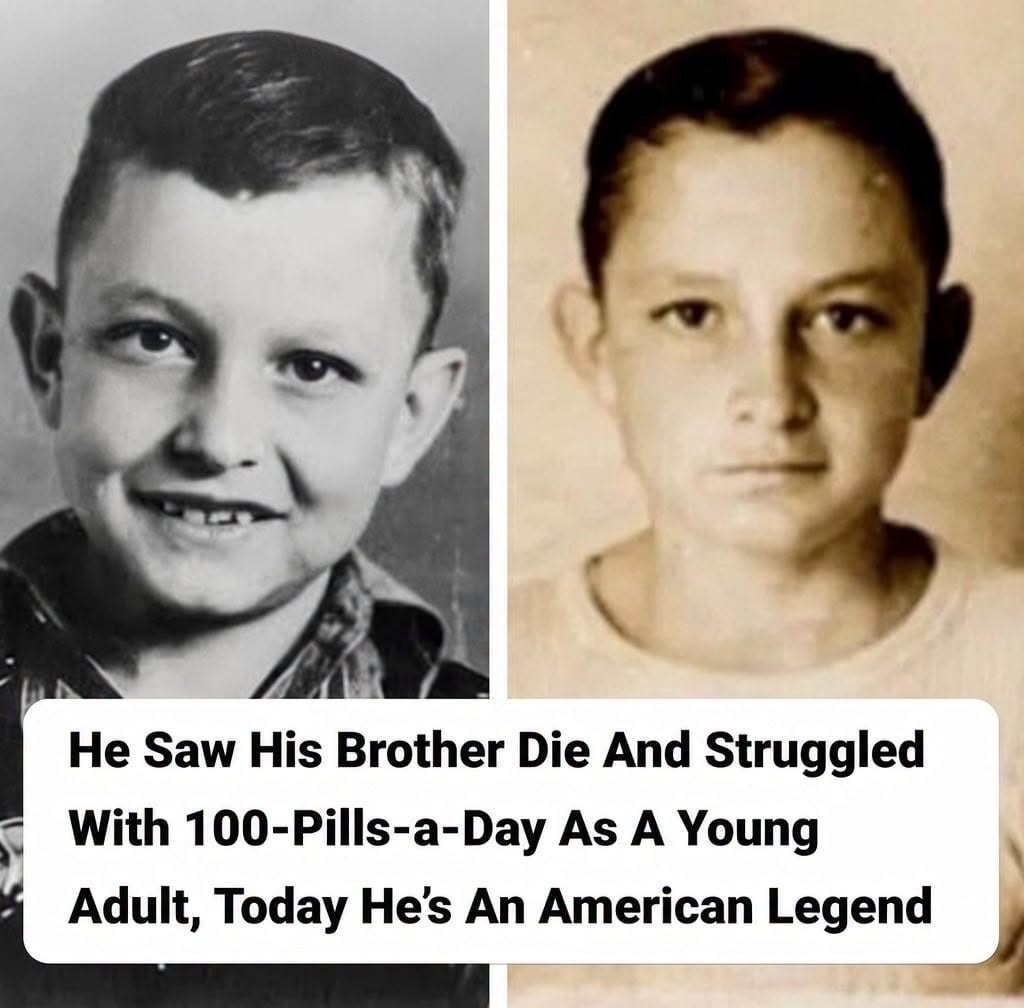
Johnny Cash grew up in poverty in Kingsland, Arkansas, working in the fields from a young age and finding comfort in music with his family, but the tragic death of his older brother Jack left a lasting mark on him. After serving in the U.S. Air Force, Cash moved to Memphis and pursued music, eventually rising to become one of the most influential voices in country music. His fame was accompanied by struggles with substance abuse, but he fought his way back and transformed his pain and experiences into songs that connected with prisoners, workers, and people who felt forgotten. Cash died in 2003, just months after the death of his beloved wife June Carter Cash, leaving behind a legacy built on music, resilience, redemption, and storytelling…
When a dog returned from a walk with a strange translucent shape tangled in his fur, his owners panicked over potential parasites and costly vet visits—revealing how…
That small, round scar on many people’s upper arms is the result of the unique multi-puncture needle technique used for the smallpox vaccine, which left a lasting…
After a young girl ran inside terrified by a snake resting quietly in her yard, her parent safely kept everyone indoors and used the encounter to clear…
Michael J. Fox, 65, received the Bob Hope Humanitarian Award at the 2026 Emmys for his years of advocacy and fundraising for Parkinson’s research through the Michael…

Instead of being discarded as waste, crushed pistachio shells can be repurposed into a valuable garden resource that improves soil structure, enhances moisture retention, acts as a…
At 17, I was left alone while my family vacationed in Canada, until a postcard arrived in my mom’s handwriting saying they had detoured to Vermont. I…
Your email address will not be published. Required fields are marked *
Save my name, email, and website in this browser for the next time I comment.
Cash carried the memory of his brother Jack throughout his life. The family’s poverty, field work, church music, and grief later appeared in the plain language and moral tension of his songs.
After Air Force service, he moved to Memphis and auditioned for Sun Records. His deep voice and spare rhythm produced records that sounded different from polished country music, allowing him to move between country, rockabilly, folk, and gospel audiences.
Success did not protect him from addiction. At his worst, pills governed his schedule and damaged relationships, performances, and health. Recovery came through repeated effort, faith, family support, and a willingness to acknowledge failure rather than hide it.
That struggle gave authority to his performances in prisons and to songs about workers, outsiders, and people seeking redemption. By the time he died in 2003, soon after June Carter Cash, his catalog had become a record of pain transformed into music and of a public life repeatedly rebuilt.
The account surrounding Johnny Cash Survived Loss and Addiction to Become a Music Legend drew attention because the first description left important context unresolved. The available details show how quickly a private moment, public statement, or unexpected discovery can move beyond the people directly involved and become a subject of wider discussion.
The sequence matters. Each reaction followed from what had already happened, and the meaning of the event became clearer only when later details were added. Removing that order would turn the story into a collection of dramatic lines instead of an understandable account.
People close to the situation faced practical choices while outsiders formed opinions from limited information. Their responses reflected pressure, uncertainty, and the need to decide what should be said immediately and what required more time.
The strongest lesson is to separate confirmed details from assumptions. A headline can capture attention, but the people, timing, and consequences give the story its weight. Reading the full account makes it possible to understand why the event mattered and why the reaction continued after the first moment passed.