Everyday Veins, Real Warning Signs
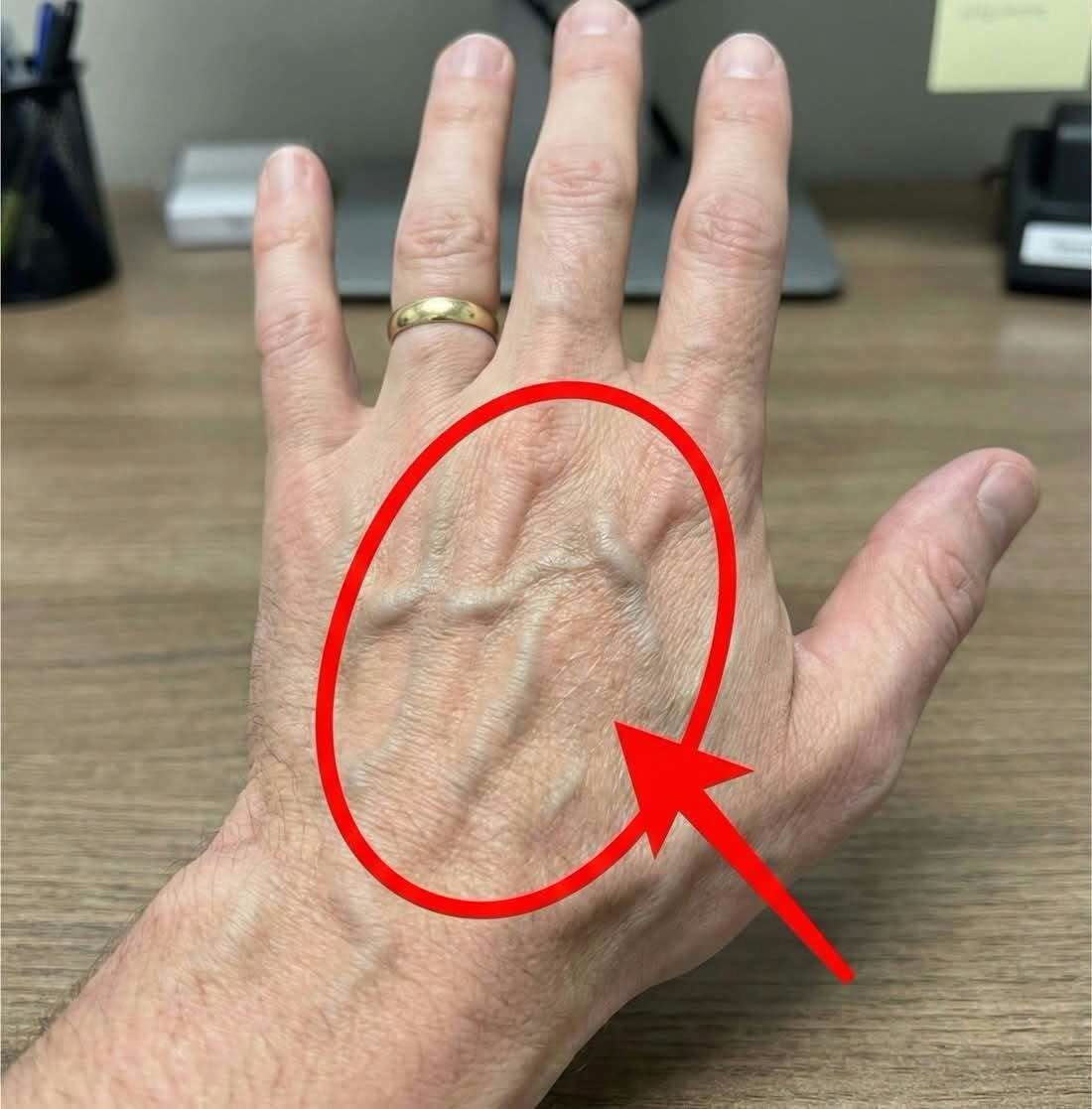
Visible veins on the hands, arms, legs, or feet are often normal. Low body fat, aging skin, exercise, heat, and genetics can make them stand out without indicating impaired circulation. Varicose veins and chronic venous insufficiency are different: malfunctioning valves can allow blood to pool, causing swelling, aching, heaviness, itching, or skin changes. Appearance alone cannot tell you whether blood flow is healthy.
Seek medical evaluation for persistent swelling, cold feet, walking-related cramps, discoloration, slow-healing sores, or veins that become hard, warm, or painful. A newly painful, swollen leg needs urgent assessment for a possible blood clot; accompanying chest pain or breathlessness requires emergency help. Regular movement, avoiding smoking, and managing diabetes or high blood pressure support circulation. Supplements marketed for circulation are not substitutes for care: evidence varies, and some interact with medicines or increase bleeding risk. The safest approach is to notice symptoms and changes—not assume every visible vein means danger.