Nighttime Leg Cramps: What Causes Them and How to Stop Them From Ruining Your Sleep
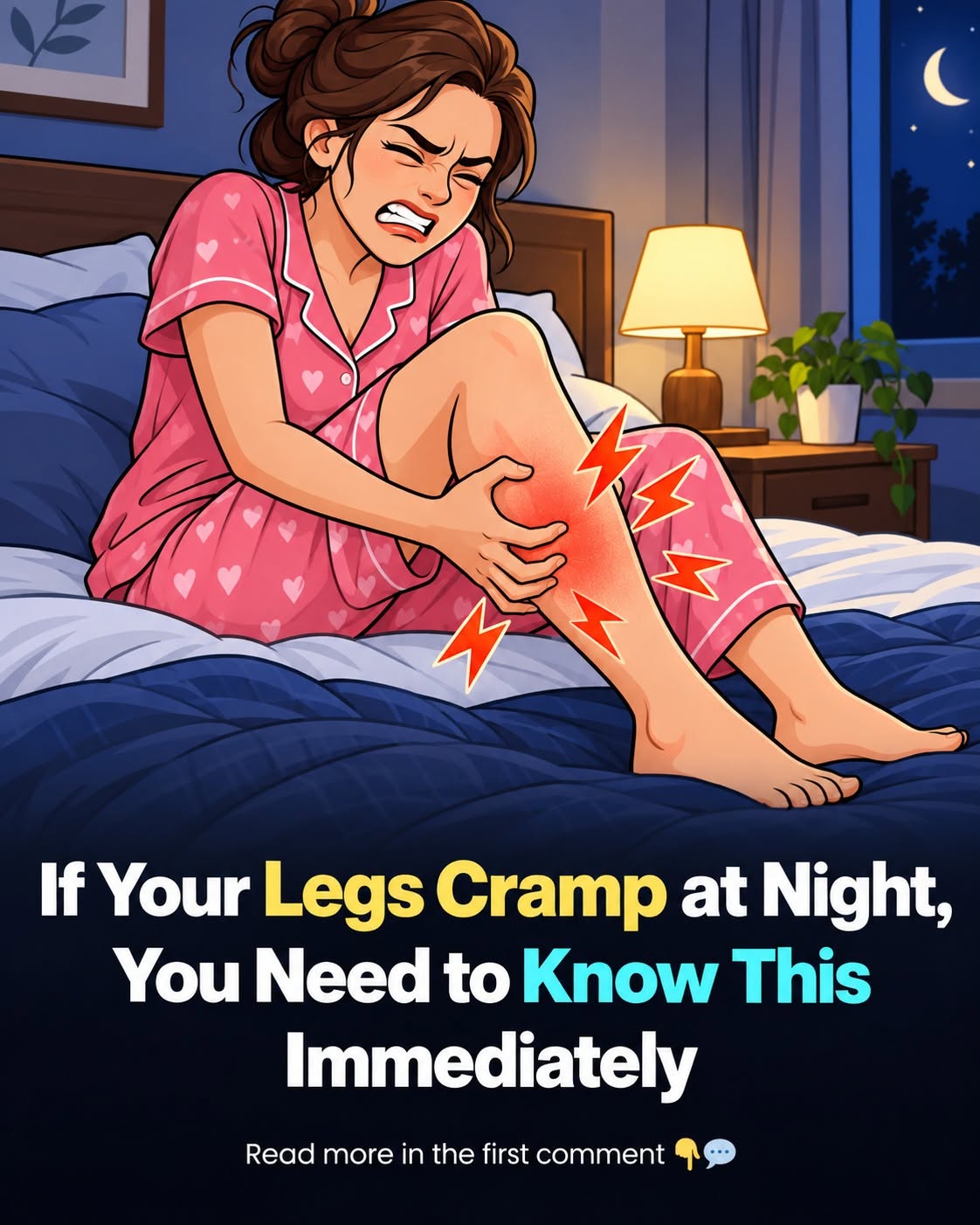
Waking suddenly with a painfully tightened calf can be alarming. One moment you are asleep; the next, a muscle in your leg feels as though it has twisted itself into a hard knot.
These episodes are known medically as nocturnal leg cramps. They are sudden, involuntary muscle contractions that occur while a person is resting or sleeping. The calf is affected most often, although cramps can also occur in the feet or thighs.
A cramp may last only a few seconds or continue for several minutes. Even after the muscle relaxes, tenderness or soreness can linger for hours and occasionally into the following day.
Nighttime leg cramps are common, particularly with increasing age and during pregnancy. Most are harmless, and in many cases there is no clearly identifiable underlying cause. Still, frequent cramps can disrupt sleep and sometimes point to a medication effect or health condition that deserves attention.
So why do these cramps happen, what should you do when one strikes, and which prevention strategies are actually supported by evidence?
What Are Nighttime Leg Cramps?
A nighttime leg cramp occurs when a muscle contracts involuntarily and temporarily fails to relax.

During an episode, the affected muscle may feel extremely tight or hard. In some people, the muscle visibly bunches or forms a knot beneath the skin.
Nocturnal leg cramps should not be confused with restless legs syndrome (RLS).
Restless legs syndrome generally causes uncomfortable sensations and a strong urge to move the legs, particularly when resting. Movement often temporarily relieves the sensation.
A true muscle cramp, in contrast, involves a painful and forceful muscle contraction.
Nighttime cramps become more common with age, and pregnancy also increases the likelihood of experiencing them. Muscle fatigue, certain health conditions and some medications may also contribute.
Importantly, however, doctors often cannot identify one specific cause. These cases are sometimes called idiopathic nocturnal leg cramps.
Why Do Nighttime Leg Cramps Happen?
Scientists do not fully understand why many nocturnal leg cramps occur.
Current thinking suggests that altered nerve activity and muscle fatigue may play important roles. In other cases, cramps occur in association with medical conditions, medications or changes in physical activity.
1. Muscle Fatigue and Increased Physical Activity
Muscles that have been working harder than usual may be more susceptible to cramping.
A long day involving prolonged standing, walking or unusually strenuous exercise may sometimes be followed by nighttime cramps.
This does not mean exercise is harmful. Regular activity is beneficial for overall health. But abruptly increasing the intensity or duration of exercise can fatigue muscles that are not accustomed to the workload.
People who repeatedly develop cramps after exercise may benefit from increasing activity gradually, allowing adequate recovery and maintaining appropriate fluid intake.
Exercise-related muscle cramps and classic nocturnal leg cramps are not necessarily identical conditions, however, so not every nighttime cramp should automatically be blamed on physical activity.
2. Dehydration and Electrolytes: Possible Contributors, but Not the Whole Story
Dehydration is frequently blamed for muscle cramps.
It can contribute in some circumstances, particularly after prolonged sweating, exercise in hot environments, vomiting, diarrhea or other situations involving substantial fluid loss.
Electrolytes such as sodium, potassium, calcium and magnesium are involved in normal nerve and muscle function. Significant abnormalities can produce muscle symptoms.
But there is an important distinction.
Most ordinary nighttime leg cramps are not proven to result from a simple magnesium, potassium or electrolyte deficiency.
That means experiencing cramps does not automatically mean you need electrolyte drinks or mineral supplements. Routine electrolyte testing is generally unnecessary for otherwise typical nocturnal leg cramps unless a person’s symptoms, medications or medical history suggest a possible abnormality.
Maintaining normal hydration remains sensible for general health, especially during hot weather or physical activity. It simply should not be presented as a guaranteed treatment for nighttime cramps.
3. Nerve Problems and Spinal Conditions
Some neurological disorders can contribute to muscle cramping.
For example, peripheral neuropathy can disturb communication between nerves and muscles. Spinal stenosis or other conditions that affect nerves in the lower spine may also cause leg symptoms.
These conditions usually produce additional symptoms rather than isolated nighttime cramps alone.
Numbness, tingling, weakness, pain radiating from the back, difficulty walking or loss of muscle mass are reasons to discuss the symptoms with a healthcare professional.
4. Circulation Problems
Problems affecting blood flow can sometimes be associated with leg discomfort and cramping, but the relationship needs to be interpreted carefully.
For example, peripheral artery disease (PAD) commonly produces cramping or aching during walking or exercise because working muscles are not receiving enough blood. The discomfort often improves with rest.
That pattern is different from a typical spontaneous calf cramp during sleep.
Vascular conditions can nevertheless coexist with nighttime cramps, particularly in older adults, so persistent symptoms accompanied by changes in skin color, coldness of the foot, slow-healing wounds or exercise-related leg pain deserve medical evaluation.
For illustrative purposes only
5. Medical Conditions
Recurring leg cramps can sometimes occur alongside other health problems.
Conditions associated with cramping include chronic kidney disease or dialysis, diabetes-related nerve damage, peripheral neuropathy, spinal stenosis, liver disease and some thyroid disorders.
Having nighttime cramps does not mean that you have one of these diseases.
For most people, cramps occur without a serious underlying disorder. Doctors become more interested in secondary causes when cramps are unusually frequent, progressively worsening or accompanied by other symptoms.
6. Medications
Certain medications have been associated with muscle cramps or other muscle symptoms.
These can include some diuretics, cholesterol-lowering medications and other prescription drugs. The strength of the association varies, and in some cases it is difficult to determine whether the medication itself is responsible.
If cramps begin after starting a new medicine or changing the dose of an existing one, discuss the timing with your healthcare professional or pharmacist.
Do not stop a prescribed medication on your own because of leg cramps.
7. Pregnancy and Aging
Pregnancy is a well-recognized risk factor for leg cramps, particularly later in pregnancy.
The exact mechanism is uncertain and may involve multiple factors, including changes in circulation, muscle workload and nerve function.
Age is another major factor. Nighttime leg cramps become increasingly common in older adults, possibly because of changes in muscle mass, nerves, tendons and physical activity.
What Should You Do When a Cramp Strikes?
The most useful immediate measure is usually to stretch the contracted muscle.
For a calf cramp, straighten the affected leg and gently pull the toes upward toward your shin. If you can safely stand, putting the foot on the floor and gently placing weight on the affected leg may also help.
Walking slowly, gently massaging the muscle or applying warmth may provide additional relief.
Ice may help with soreness afterward in some people.
Because most cramps last only seconds or minutes, oral pain relievers generally do not work quickly enough to stop the cramp itself. They may sometimes help if considerable muscle soreness remains afterward.