The Beetroot Advantage: What Doctors Say Really Happens When You Add Beets to Your Diet
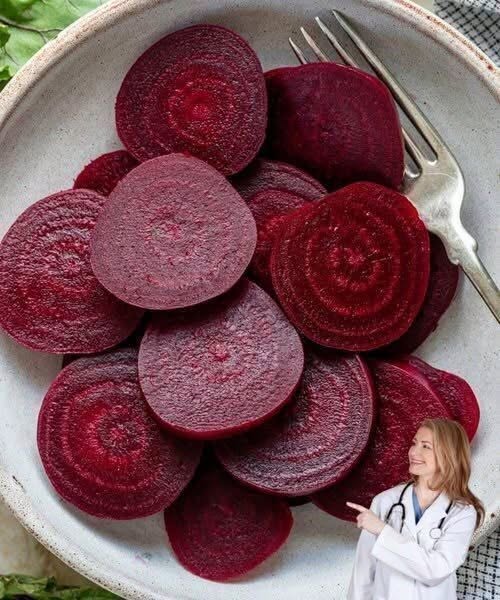
Why Beets Are a Healthy Superfood: Benefits for Heart Health, Digestion, and Daily Energy
Engaging Introduction
Let me tell you about the vegetable I used to avoid at all costs.
Beets. Those deep magenta, earthy-smelling roots that stained everything they touched. As a kid, I picked them out of salads. As an adult, I walked past them in the produce aisle without a second glance. They were messy. They were intimidating. They tasted like dirt.
Then my doctor ran some routine blood work. My blood pressure was creeping up. Nothing alarming yet, but enough for her to suggest lifestyle changes.
“Eat more beets,” she said.
I laughed. “You’re serious?”

“Dead serious. Beets are one of the best natural sources of nitrates. They help lower blood pressure, improve athletic performance, and support liver function. Add them to your diet. You’ll notice a difference.”
I was skeptical. But I was also motivated.
I bought a bunch of fresh beets. I roasted them. I tossed them in a salad. I took a bite.
They were sweet. Earthy. Surprisingly delicious.
Now, beets are a regular part of my diet. And I have noticed a difference—in my energy, my digestion, and my blood pressure.
Let me walk you through what doctors say actually happens when you add beets to your diet.
First, What Are Beets?
Beets (also known as beetroot) are root vegetables that come in a range of colors: deep red, golden yellow, and even candy-striped (Chioggia beets). They’re rich in vitamins, minerals, and unique plant compounds that have been studied for their health benefits.
Nutritional profile (per 1 cup raw, about 136g):
Calories: 58
Fiber: 4g
Folate: 37% DV
Manganese: 22% DV
Potassium: 11% DV
Vitamin C: 8% DV
Iron: 6% DV
Magnesium: 6% DV
The star compound: Nitrates. Beets are among the highest dietary sources of naturally occurring nitrates, which your body converts into nitric oxide—a molecule that relaxes and dilates blood vessels.
8 Things That Happen When You Add Beets to Your Diet
Let me walk you through what the research says.
1. Your Blood Pressure May Decrease (Within Hours)
This is the most well-studied benefit.
What the science says: A 2013 meta-analysis found that drinking beet juice significantly lowered systolic blood pressure (by about 4-5 mmHg) within 2-4 hours of consumption. The effect is due to dietary nitrates, which your body converts into nitric oxide, relaxing blood vessels and improving blood flow.
What you may notice: More stable blood pressure readings, especially if you eat beets regularly. The effect is modest but meaningful.
Who benefits most: People with hypertension or pre-hypertension.
2. Your Athletic Performance May Improve
Athletes have been using beet juice for years. Now science backs them up.
What the science says: Studies show that beet juice can improve time-trial performance in cyclists, runners, and swimmers by 1-3%. The nitrates reduce the oxygen cost of exercise, allowing athletes to perform longer before exhaustion.
What you may notice: Less fatigue during workouts, better endurance, faster recovery.
Pro tip: Drink beet juice 2-3 hours before exercise for maximum benefit.
3. Your Digestion May Improve (Fiber Boost)
Beets are a good source of dietary fiber, which feeds beneficial gut bacteria and promotes regularity.
What the science says: The fiber in beets (about 4g per cup) supports digestive health and may reduce the risk of constipation, diverticulitis, and colorectal cancer.
What you may notice: More regular bowel movements, reduced bloating.
4. Your Liver May Function Better
Beets contain betalains—potent antioxidants that support liver function and reduce inflammation.
What the science says: Animal studies have shown that beetroot extract can reduce oxidative stress in the liver and support detoxification pathways. Human studies are limited, but promising.
What you may notice: This is a long-term benefit. You may not feel it immediately, but your liver will thank you.
5. Your Skin May Look Brighter (Antioxidant Boost)
The betalains in beets have anti-inflammatory and antioxidant properties that may benefit skin health.
What the science says: Betalains neutralize free radicals, reduce oxidative stress, and may protect against UV damage (though sunscreen is still essential).
What you may notice: Brighter, more even skin tone over time.
6. Your Energy May Be More Consistent
The nitrates in beets improve blood flow and oxygen delivery to cells, which may translate to more stable energy levels.
What you may notice: Fewer afternoon crashes, less fatigue, better mental clarity.
7. Your Cholesterol Profile May Improve
Some studies suggest that beet fiber may help lower LDL (“bad”) cholesterol.
What the science says: A 2020 study found that beetroot juice supplementation reduced LDL cholesterol and triglycerides in participants. More research is needed, but early results are promising.
8. Your Urine and Stool May Turn Red (Don’t Panic)
This is harmless. It’s called beeturia.
What it is: About 10-14% of people experience red or pink urine after eating beets. It’s caused by the betalain pigments, which are excreted in urine and stool.