Shocking End On A New York Street
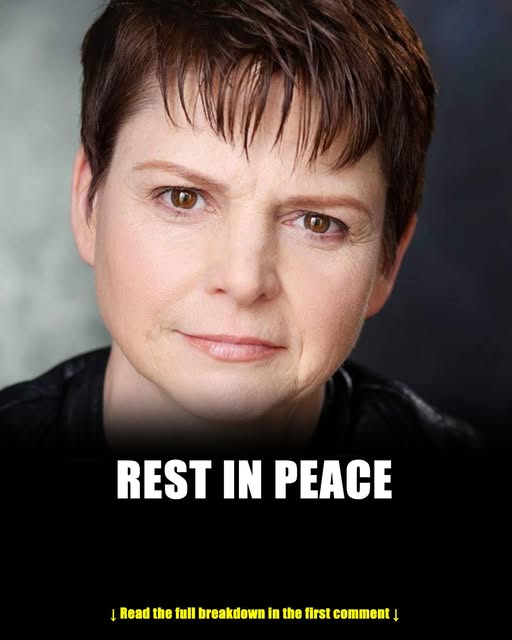
She arrived in New York with a single suitcase and the kind of determination that doesn’t announce itself—it just moves, quietly and stubbornly, through whatever the day throws at it.
Her mornings started at JFK, where fluorescent lights never quite softened the edges of exhaustion. She worked through the predictable chaos of security lines, delayed flights, and the endless rhythm of boarding calls echoing over intercoms. There was structure there, at least. Rules. Procedures. Clear outcomes.
But nights were something else entirely.
At night, she stepped into a different version of the city—one that didn’t care who you were during the day. She found basement bars tucked beneath street-level noise, open mics where the mic stand wobbled and the laughter came late or not at all, and rooms where strangers decided in seconds whether you were worth listening to.
She bombed often at first. The kind of silence that follows a failed joke can feel heavier than noise, like the room itself is holding its breath in disappointment. Still, she kept going back. Not because it was easy, but because it wasn’t. And somewhere in that repetition—between awkward sets, small laughs, and the occasional night where everything landed just right—something in her started to shift.

Her comedy stopped trying to impress people and started trying to reach them.
The jokes softened. The timing became less about punchlines and more about pauses. She learned how to let silence do part of the work. Audiences didn’t always know what to make of her, but they felt it—there was something honest in the way she stood there, as if she wasn’t performing so much as revealing.
Casting directors eventually began to notice that quality. Not the loudest person in the room, not the most polished—but the one who could change the temperature of a scene without speaking much at all. The kind of presence that made other actors instinctively lean in.
That’s how Wenne Alton Davis began appearing on screen in small but unforgettable ways.
On sets like The Marvelous Mrs. Maisel, Blindspot, and New Amsterdam, she wasn’t usually the center of the story. She didn’t need to be. She was the person in the corner of the frame who made the world feel lived in. The coworker who remembers something important. The stranger whose brief glance implies a history you never get explained but somehow understand anyway.
Directors liked her because she didn’t overreach. She understood restraint. She knew how to say more with stillness than others could with pages of dialogue. There was a kind of intelligence in her quiet—an awareness that the camera always notices honesty, even when it isn’t asked to.
Off set, that same presence followed her everywhere.
Friends would describe her not in grand terms, but in small ones that somehow added up to something larger. She was the person who stayed behind after wrap when everyone else had already mentally moved on to the next job, the next audition, the next city. She helped carry bags, checked in without making it feel like checking in, and somehow always noticed when someone’s energy dropped before they said a word about it.
If you were struggling but didn’t have the language for it, she somehow heard it anyway.
She wasn’t loud about care. She didn’t announce kindness. She practiced it in quiet, consistent ways—sending a text at the exact moment someone needed it, walking a friend home when the streets felt too empty, sitting beside someone in silence when words wouldn’t help.
In a city as fast and indifferent as New York, that kind of steadiness stands out more than talent sometimes does.
People who worked with her often said she had a way of making sets feel calmer without changing anything obvious. No speeches. No grand gestures. Just a groundedness that made others unconsciously settle into themselves. She became the kind of actor others trusted not just on camera, but off it—someone you could rely on when the day went sideways and everything felt like too much.
Her life, in many ways, was built from contrasts that never fully resolved: airport announcements and stage lights, rejection and recognition, anonymity and presence. But she learned how to live in the middle of all of it without losing herself.
At West 53rd and Broadway, the city eventually lost her presence in the way cities lose people—not all at once, but in a moment that later feels too ordinary for what it contains.
And for those who knew her, the absence wasn’t loud.
It was quiet in the same way she was.
The same way she had always been.
Not gone in a way that ends a story—but in a way that leaves it echoing in the spaces she once filled.