THE STROKE KILLER: 5 Terrifying Ways Your Body Is Sabotaging You Before A Massive Stroke
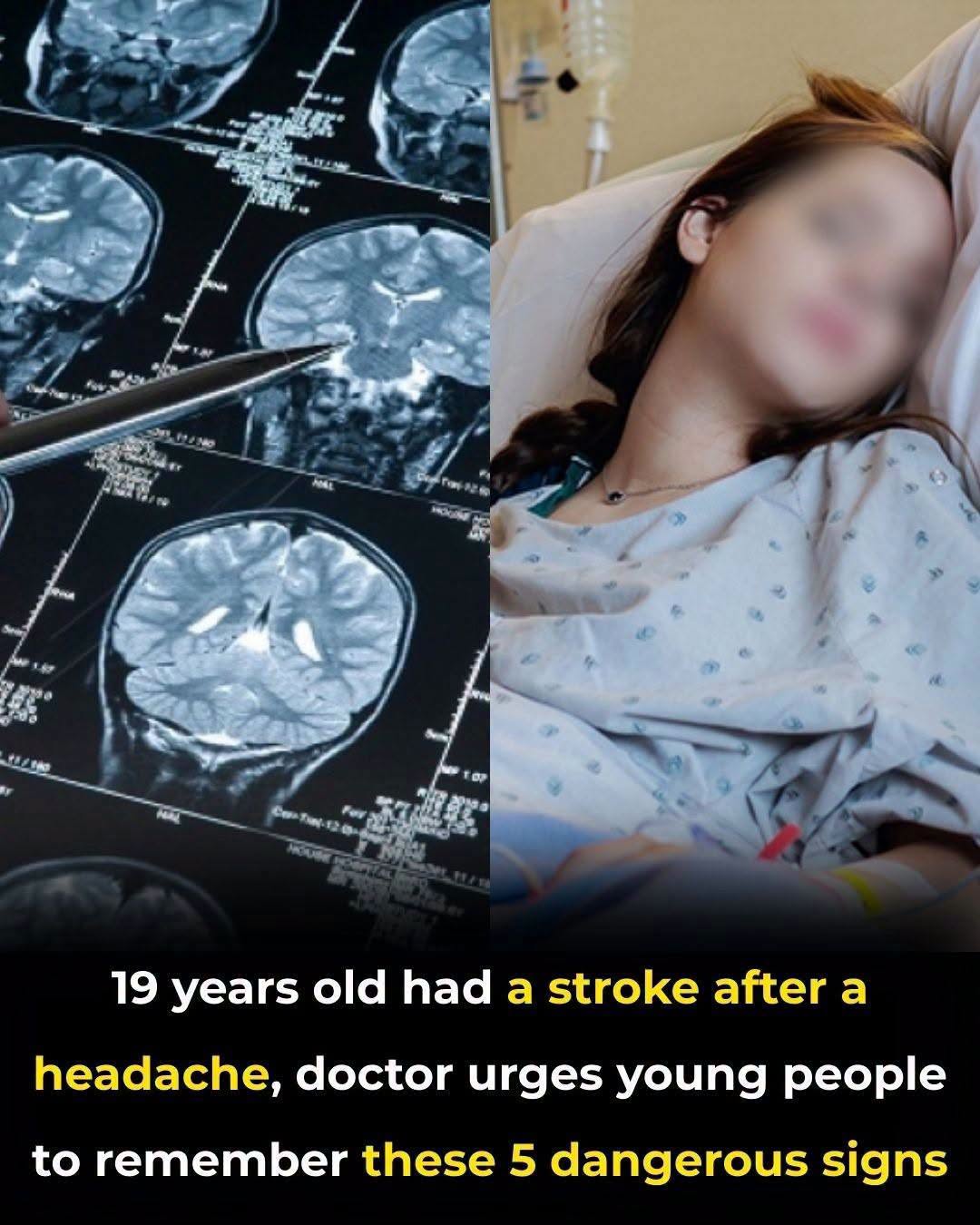
You may think stroke only affects older adults, but that belief is misleading. Increasingly, younger people are being affected, and ignoring early warning signs can lead to life-changing consequences. Understanding risk and symptoms is essential for timely action.
Stroke risk is not limited to age alone. Around 10–15% of strokes occur in adults aged 18–50, with rising rates linked to high blood pressure, diabetes, smoking, alcohol use, obesity, and genetic or pregnancy-related conditions that increase vascular strain.
Recognizing stroke symptoms quickly can be lifesaving. Warning signs often appear suddenly and require immediate attention, as brain cells begin to die within minutes when blood flow is interrupted, making fast response critical for recovery outcomes.
One major warning sign is a sudden, severe headache often described as a thunderclap. It may indicate bleeding in the brain and should never be ignored, especially if it is the worst headache a person has ever experienced.
Sudden numbness, weakness, or tingling—especially on one side of the body—can signal an ischemic stroke. This occurs when blood flow is blocked, depriving brain tissue of oxygen and causing rapid loss of motor control or paralysis.

Speech and comprehension changes are another key warning sign. Difficulty speaking, slurred words, or confusion may occur when brain regions responsible for language are affected, requiring urgent medical evaluation without delay.
Vision problems and sudden balance issues can also indicate stroke. These may include blurred or lost vision, dizziness, or difficulty walking, often reflecting damage to brain areas controlling visual processing or coordination.
Reducing risk involves managing blood pressure, avoiding smoking and excessive alcohol, staying active, and maintaining healthy habits. If stroke symptoms are suspected, seeking emergency care immediately is critical, even if uncertainty exists. Early intervention significantly improves outcomes and can prevent long-term disability or severe neurological damage permanently.