My toddler woke up with these tiny red bumps clustered all around his ankles. The nurse line is completely busy and he keeps scratching them. What is this?
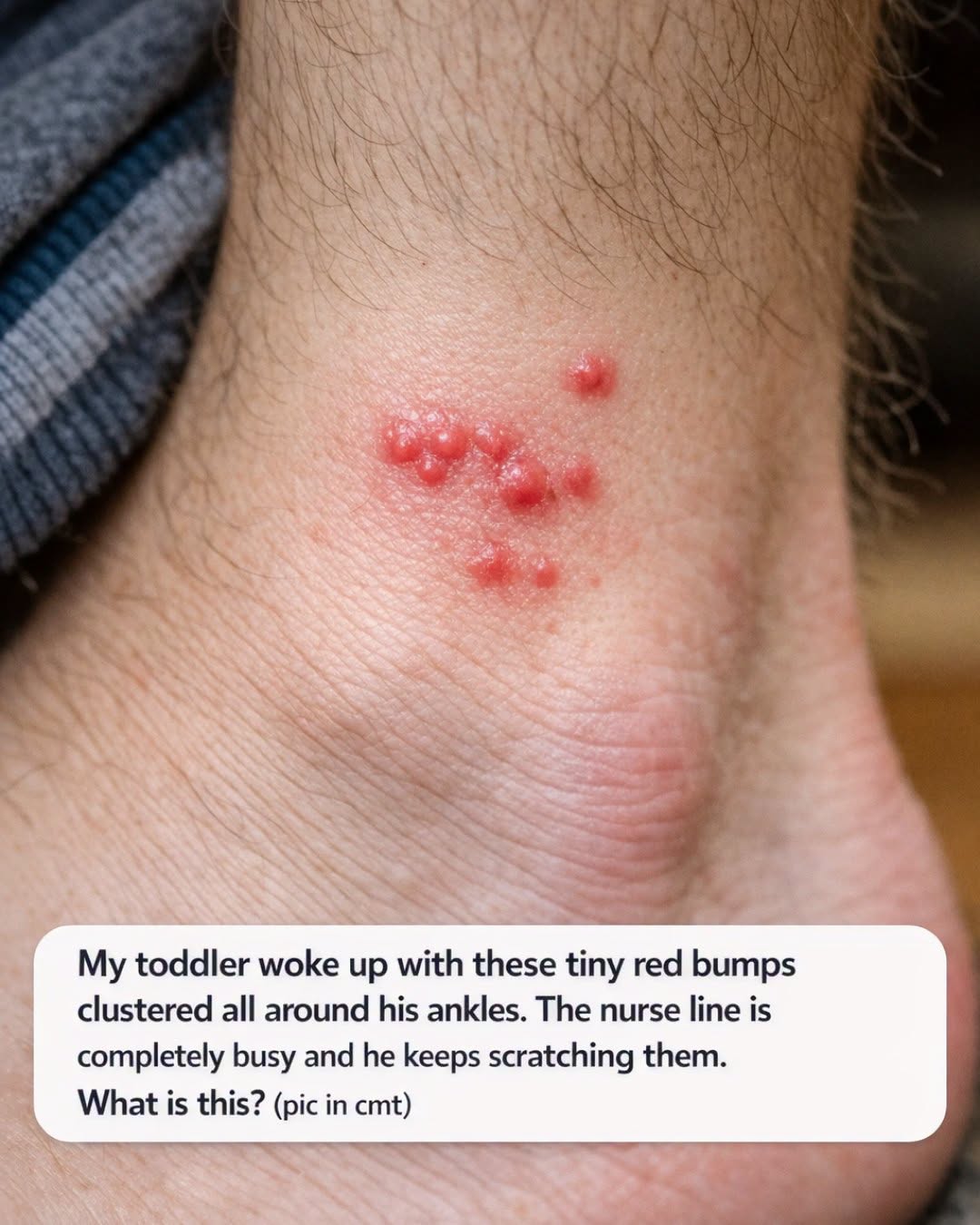
Seeing a tight cluster of tiny red bumps around the ankles is one of those parent moments that can make your stomach drop fast, especially when it shows up overnight and your little one will not stop scratching. If I heard “small, very itchy bumps, grouped low on the legs and especially around the socks or ankles,” one of the first possibilities I would think about is flea bites. They are famous for showing up in clusters of 2, 3, or more, and they often target ankles and lower legs because that is where fleas can easily jump and bite.
That said, no article can diagnose a child over the internet, and several rashes can look similar at first glance. What I can do is walk you through why flea bites fit this pattern, what they usually look like, how to calm the itching today, how to check your home and pets, and when the pattern means you should stop watching and get medical help promptly.
1. Why flea bites are a strong possibility
Fleas are tiny jumping insects, usually 1 to 3 millimeters long, that feed on blood. They commonly live on cats, dogs, carpets, pet bedding, upholstered furniture, and shaded outdoor areas. When they bite people, they often hit the easiest target first: feet, ankles, and lower calves.
The classic pattern is multiple very itchy red bumps in a cluster or short line. A parent may notice 5 to 20 bumps in one small area rather than one isolated welt. In many cases, the child seems fine at bedtime and wakes up scratching in the morning because the bites became more inflamed over several hours.
2. What flea bites usually look like
Flea bites are often small, about 1 to 4 millimeters across at first, with a tiny red halo around them. Some have a darker pinpoint center where the bite occurred. On sensitive skin, they can puff up into firmer pink welts closer to 5 to 10 millimeters.

They tend to be grouped closely together rather than spread evenly all over the body. Around the ankles, you might see several bumps circling the sock line, clustered above the heel, or gathered on the sides of the feet. The itching can be intense, sometimes much worse than the bumps look.
3. Why the ankles are such a clue
Location matters. Fleas do not fly; they jump. Most jumps are short, often under 8 inches vertically, so the lower legs are a common landing zone. That is why ankle-heavy bites are more suggestive of fleas than many other common rash causes.
If the bumps are mostly on exposed areas under loose pajamas, especially near the ankle cuffs, that supports the idea too. By contrast, a viral rash is more likely to be more widespread, and contact irritation from soap or detergent is often broader and more symmetrical instead of appearing as separate itchy little bite-like spots.
4. Signs that make flea bites more likely at home
A few practical clues can help. Do you have a cat or dog that has been scratching more than usual in the last 1 to 2 weeks? Have you seen tiny dark specks on pet bedding, near baseboards, or on a windowsill? Flea dirt looks like black pepper. If you place those specks on a wet white paper towel, they may smear reddish-brown because they contain digested blood.
Also think about recent exposures. A new pet, a visit to a home with animals, a move into a furnished apartment, secondhand rugs, or time spent in a yard where stray cats rest can all bring fleas into the picture. Even families without pets can get fleas if previous tenants had animals or if fleas are in shared hallways, porches, or carpeting.
5. Other things that can look similar
Mosquito bites are usually larger, fewer in number, and more randomly scattered. Bed bug bites can also form clusters, but they often show up on arms, shoulders, neck, or any skin exposed during sleep, not just around the ankles. Chigger bites are usually linked to grassy or wooded outdoor exposure and often appear under tight clothing lines, like waistbands or socks, after outdoor play.
Contact dermatitis can cause itchy red patches, but it is more often flat or patchy rather than made of separate little papules. Scabies usually causes intense nighttime itching and often involves wrists, finger webs, waistline, or feet, but it tends to keep spreading instead of staying as a limited ankle cluster. If the bumps become honey-crusted, ooze, or look infected, that is no longer “just bites” and needs medical review.
6. What you can do right now for the itching
The first goal is to reduce scratching, because broken skin raises the risk of infection. Wash the area gently with lukewarm water and mild soap, then pat dry. A cool compress for 10 minutes at a time can help a lot. I usually suggest repeating that 3 or 4 times over the day if a child keeps going back to scratch.
For simple itch relief, many clinicians recommend a thin layer of 1% hydrocortisone cream 1 to 2 times daily for a few days on small areas of intact skin, but only if your own pediatric clinician has said it is okay for your child’s age and situation. An anti-itch lotion such as calamine may also help. Keep nails trimmed short; even taking them from 2 millimeters past the fingertip to flush with the fingertip can reduce skin damage from scratching.
7. When to call a doctor sooner rather than later
Most flea bites are annoying rather than dangerous, but some situations need prompt advice. Call your pediatrician if your child is under 1 year old, the itching is severe enough to disrupt sleep repeatedly, the bumps are rapidly spreading, or the skin is getting warm, swollen, painful, or draining fluid.